
How RECO Health Supports Trauma Therapy in South Florida
If you are reading this at night and feeling like detox, trauma, and insurance are all tangled together, that makes sense. This is genuinely confusing for most people. In South Florida, trauma and substance use often go hand in hand, and treating only one usually leaves the other untouched. RECO Health in Delray Beach was […]
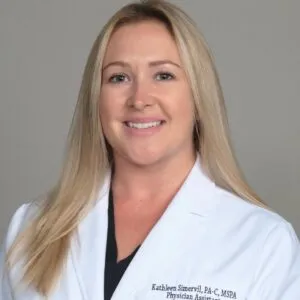
If you are reading this at night and feeling like detox, trauma, and insurance are all tangled together, that makes sense. This is genuinely confusing for most people. In South Florida, trauma and substance use often go hand in hand, and treating only one usually leaves the other untouched. RECO Health in Delray Beach was built around that reality, with care that starts with safety and moves toward stability.
When trauma feels like the real reason treatment keeps stalling
Why PTSD treatment and addiction often show up together in South Florida
People often ask why stopping alcohol or drugs has felt so hard when they want to change. The answer is not weakness. PTSD treatment and addiction recovery often overlap because the nervous system learns to seek relief quickly. In South Florida, that pattern shows up in people living with panic, insomnia, grief, assault trauma, chronic stress, or childhood neglect.
A trauma response can look like drinking after work, using pills to sleep, or reaching for cocaine to stay numb and alert. That is why PTSD treatment and addiction recovery in Delray Beach matters so much. The substance may have started as a coping tool. Then it becomes part of the problem.
The signs of addiction that point to unprocessed trauma rather than willpower problems
Here is the part most people miss. If you keep returning to use after promises, consequences, or even short sober stretches, trauma may be driving the cycle. Common signs include panic before cravings, emotional shutdown, nightmares, hypervigilance, and rage that feels bigger than the situation. You may also notice depression and addiction, anxiety treatment needs, or even bipolar disorder therapy concerns alongside the substance use.
Families often call this “bad choices” because it looks chaotic from the outside. Yet a person may be trying to quiet flashbacks, shame, or body-based fear. The question is not, “Why won’t you stop?” It is, “What pain keeps pulling you back?”
Why a Delray Beach rehab setting can feel safer than a generic program
A Delray Beach rehab can feel different because the setting matters. A calm, coastal environment near Atlantic Avenue and the beach can lower the sense of threat. That does not cure trauma. It can help people settle enough to engage. A coastal healing environment can support sleep, regulation, and honest conversation.
One young adult from Palm Beach County arrived after repeated relapses and a short hospital stay. He said the loudest room was not the unit. It was his own head. Once he entered a quieter, structured residential treatment facility, he could finally sit through group without scanning every exit.
What families in Palm Beach County often miss when depression and addiction are both present
Families often see the drinking, the missed work, or the late-night disappearances. They miss the slower erosion underneath. When depression and addiction coexist, the person may look lazy, detached, or irritable when they are actually exhausted and ashamed. That is why dual diagnosis care matters. It treats the mood disorder and the substance use together, not one after the other.
In Palm Beach County, parents, partners, and adult children often wait for “proof” before calling a Florida addiction treatment center. But proof is usually already there: empty bottles, hidden pills, lost jobs, fractured sleep, or a growing sense that nothing works anymore. If that sounds familiar, the concern is real.
*”I feel like RECO treatment is one of the best in Florida. I have been to several treatment centers and RECO is definitely better in almost every area. I can honesty say all the employees genuinely care. They go out of their way to help us navigate through early recovery The group facilitators are the best I’ve seen in treatment. Ms Engrid, Ms V and Rabbi Mark are unbelievable. Rabbi really breaks down the science behind the disease while Ms Engrid keeps it real with us and is always reminding us that we can make it. She really brings a lot of good energy around the NA program. Ms V comes in and she a wonderful therapist who really understands things from the family side. She really helps me understand what our families are going through. Hands down, RECO has the best group facilitators I’ve ever seen . I know of some peers that feel the same way
Brock really does a great job with the alumni department. As I am writing this, I am at a talent show put on by RECO. There are around 75 people here all having a great time sober. The entire event was put on well. Clients/ alumni made dishes and everyone is enjoying dinner while watching some amazing talent. I’m including pics from tonight. While going through some of my own struggles, I could really feel RECO’s support throughout the community. Brock was in contact with me on a daily basis just letting me know RECO was there for me. The support was overwhelming.
Led by Carly, The behavioral techs are fantastic. We spend a lot of time with the techs as they are always hanging with us at our houses outside of groups. They genuinely love their jobs and you can see it. The techs are fantastic in letting us know they are here for us and they show support in any way they can even if it’s just to listen to us vent about something we are struggling with. Brandon, Becky, Carlos and Brian especially go out of their way to help things go smoothly.
On the therapy side, they are also great. The clinical director, David, has been doing this a long time and he gets exactly what we are going through. You can see how passionate he is about his work when he runs group. There is a healthy balance with the entire team and I can see how much time they spend discussing clients. They know everything about us and I feel like that really helps us build a healthy relationship with our therapist. The medical staff is also great. Led by Kathaleen, the entire staff is always on point. Viviana, Kathaleen’s right hand lady, works her tail off making sure everything runs smoothly on the medical side.”*- Buck F., a 5 star review from our business on Google Business Reviews
The clinical path RECO Health uses when pain, panic, and substance use are all in the room
How trauma therapy South Florida can be paired with medical detox when withdrawal is part of the picture
If withdrawal is part of the picture, therapy alone is not enough at first. Safety comes first. That is where medical detox for South Florida addiction treatment can help, especially for cocaine detox Florida, opioid rehab Delray, fentanyl treatment, heroin recovery, prescription pill addiction, or benzodiazepine withdrawal. Detox addresses the immediate body crisis so therapy can actually take hold.
A person withdrawing from alcohol or benzodiazepines may need close monitoring because symptoms can escalate. Someone coming off fentanyl may need careful planning because cravings can be intense. RECO Health’s approach is to match the level of medical support to the risk, then move toward therapy when the body is steadier. That is the clinical logic behind effective South Florida detox.
Why dual diagnosis treatment depends on licensed clinicians who can treat co-occurring disorders together
Dual diagnosis treatment works best when one team understands both psychiatric symptoms and substance use. That includes licensed clinicians who can assess co-occurring disorders without splitting the problem in half. The NIDA model supports this integrated view because substance use and mental health conditions often reinforce each other. Treating them separately can leave gaps that lead to relapse.
This is also why a strong outpatient program Delray Beach or mental health IOP cannot be an afterthought. The clinical plan needs clear coordination, medication review when needed, and regular symptom tracking. In practical terms, that means one care plan, not competing opinions.
Where CBT, dialectical behavior therapy, and EMDR trauma therapy fit in a real treatment plan
Evidence-based treatment with CBT and DBT in Delray Beach is useful because it gives people tools they can practice. Cognitive behavioral therapy helps you notice the thought loops that trigger use. Dialectical behavior therapy builds skills for distress tolerance, emotion regulation, and safer choices. EMDR trauma therapy can help process trauma memories that still feel as if they are happening now.
These therapies are not magic. They are structured and demanding. They work best when paired with repetition, honest feedback, and steady support. In a partial hospitalization program or intensive outpatient setting, those skills can be practiced in real time.
When medication-assisted treatment like Suboxone maintenance or Vivitrol injections may be considered
For some people, therapy needs medication support. That can include medication-assisted treatment such as Suboxone maintenance or Vivitrol injections for opioid recovery. These options may reduce cravings or lower relapse risk when used appropriately. The FDA recognizes both as part of treatment for some patients.
Medication-assisted treatment for opioid recovery is not “replacing one drug with another.” That phrase misses the point. MAT can stabilize the brain while deeper work continues. It can be especially important for people facing fentanyl exposure, repeated relapse, or severe opioid cravings.
How partial hospitalization program and intensive outpatient levels support different stages of stabilization
A partial hospitalization program is more structured than IOP. A partial hospitalization program versus intensive outpatient in Palm Beach County often comes down to how much support you need each day. PHP usually means more hours, more monitoring, and more clinical contact. IOP gives more flexibility for work, school, or family responsibilities while still providing therapy and accountability.
Level of careBest forTypical paceWhy it helpsPHPHigher instabilityMost of the dayStrong structure and frequent supportIOPSteadier symptomsSeveral sessions weeklyReal-world practice with clinical backupOutpatientMaintenanceFewer sessionsOngoing support after stabilizationPeople often ask, “What is PHP vs IOP?” The answer is simple: PHP is more intensive. IOP is less intensive. The right fit depends on withdrawal risk, safety, and how much support your days require right now.
What family therapy and group therapy activities can do when shame has kept everyone silent
Family therapy and group therapy activities during rehab can change the tone in a home fast. Shame thrives in secrecy. Group work breaks isolation. Family therapy helps everyone hear the same language for relapse, triggers, boundaries, and repair.
A woman in a Delray Beach step-down program told her mother, “I did not want help. I wanted sleep.” That line shifted the room. It made room for honesty instead of blame. At that point, therapy stopped being a lecture and became a shared plan.
What happens after the urgent crisis passes and the work gets real
How aftercare planning, sober living resources, and case management reduce the drop-off after discharge
The hardest drop often comes after discharge. The structure is lighter. Old habits return quickly. That is why aftercare planning and sober living resources in South Florida matter so much. Good plans include therapy follow-up, housing ideas, transportation, and clear contact points.
Aftercare support and case management help people connect to sober living resources, job support, and local recovery meetings. Life skills training and nutritional counseling can also help keep the routine steady. Without this layer, many people leave treatment with skills but no bridge.
Why intensive outpatient, mental health IOP, and outpatient program Delray Beach options matter for long term recovery
Long-term recovery usually needs more than one level of care. RECO Intensive in South Florida reflects that reality through structured services that can continue after the most urgent phase ends. Intensive outpatient and mental health IOP help people keep working on triggers, sleep, mood, and cravings while returning home each day. That matters for anyone who still needs monitoring but no longer needs round-the-clock care. 
An outpatient program Delray Beach can also be a fit for people with stable housing and strong support. The goal is not to keep you in treatment forever. It is to help you keep making decisions that hold up in real life. For many, that means stepping down slowly.
How alumni program support, relapse prevention, and coping skills help people stay connected in the Delray Beach recovery community
The best programs do not disappear at discharge. Delray Beach recovery community and sober things to do nearby can give people structure that is social, not just clinical. The alumni program keeps the connection alive. It reminds people that recovery is maintained through contact, not just willpower.
Relapse prevention is not about fear. It is about planning. That means knowing your triggers, naming your exits, and practicing coping skills before stress spikes. SMART Recovery and 12-step alternatives can also give people different paths, which is useful when one model does not fit.
What insurance verification, out-of-network benefits, and self-pay options mean before admission
Money worries can delay care longer than shame does. That is why insurance verification for Florida rehab and out-of-network benefits should happen early. You may have Aetna, Cigna, Blue Cross Blue Shield, or another plan. You may also have out-of-network benefits that still help significantly.
If you are comparing private rehab options, ask direct questions. What will be covered? What is not? Are there self-pay options if needed? Clear financial answers lower stress before admission and help you make a calmer decision.
How to choose a rehab in South Florida when you are comparing private rehab, residential treatment facility options, and nearby support in Broward County, Miami, and West Palm Beach
How to choose a rehab in South Florida starts with fit, not hype. Look for evidence-based treatment, Joint Commission accreditation where applicable, and a real plan for trauma, mental health, and aftercare. Ask about residential treatment facility structure, inpatient rehab Palm Beach County options, and how they handle dual diagnosis.
Use location wisely too. A center in Delray Beach can still serve people from Broward County rehab, Miami addiction help, Fort Lauderdale detox, West Palm Beach mental health, and Boca Raton outpatient needs. The right place should match your clinical needs and your daily reality. That includes work, family, transportation, and the emotional load of being close to home.
Why the next decision is less about finding a perfect place and more about finding the right level of care for this moment
People often search for the perfect program and freeze. That is understandable. But recovery does not ask for perfection. It asks for the right match today. A person with severe withdrawal needs one level of care. A person with stable mood but heavy trauma may need another. A parent balancing work and treatment may need a different schedule again.
RECO Health’s Delray Beach setting, near 140 NE 4th Avenue, gives people a place to sort that out with support. The question is not, “Is this the final answer?” The question is, “Does this help me stabilize now?” If the answer is yes, that matters.
Frequently Asked Questions
How long does detox last at a Delray Beach rehab?
Detox length depends on the substance, the dose, the last use, and medical history. Alcohol and benzodiazepine withdrawal may need closer monitoring than some other substances. Opioid withdrawal can feel intense even when it is shorter. A good program will assess you before giving a timeline because safety matters more than a generic estimate.
Does RECO Intensive take my insurance?
The fastest way to find out is through insurance verification. Plans differ, and coverage can change based on level of care, network status, and medical need. RECO Health can help review benefits, including out-of-network benefits when they apply. If you prefer, ask about self-pay options at the same time so you can compare clearly.
What is the difference between PHP and IOP?
PHP, or partial hospitalization, gives more hours and more structure each week. IOP, or intensive outpatient, offers fewer hours and more flexibility. PHP is often used when symptoms are still unstable. IOP works well when a person needs ongoing support but can manage more of the day independently.
Can family be involved in treatment?
Yes, family involvement often helps, especially when shame or confusion has shaped the home for years. Family therapy can improve communication, reduce blame, and support relapse prevention. Many programs also use family weekends or structured education so loved ones know how to help without overreacting or rescuing.
What if I need help for depression but not addiction?
That still matters. Depression, anxiety, bipolar disorder, and trauma can exist without current substance use. A good mental health program should assess your symptoms carefully and recommend the right level of care. If substance use is also present, dual diagnosis treatment may be the safer route. Either way, the goal is to treat the full picture.
Are EMDR, CBT, and DBT evidence-based?
Yes. These therapies are widely used because they have research support. CBT helps change thought patterns and behaviors. DBT teaches emotion regulation and distress tolerance. EMDR is often used for trauma processing. The best fit depends on your symptoms, your goals, and how ready you feel to do the work.
What should I do today if I think I need help?
Write down three facts: what you are using, how often, and what feels hardest right now. Then call one treatment provider and ask for an assessment. If you are comparing options, ask directly about detox, dual diagnosis care, insurance, and aftercare. You do not have to figure out every detail today. Start with one call, and let the next conversation make the path clearer.