Mental Health Treatment
Treating the Whole Person
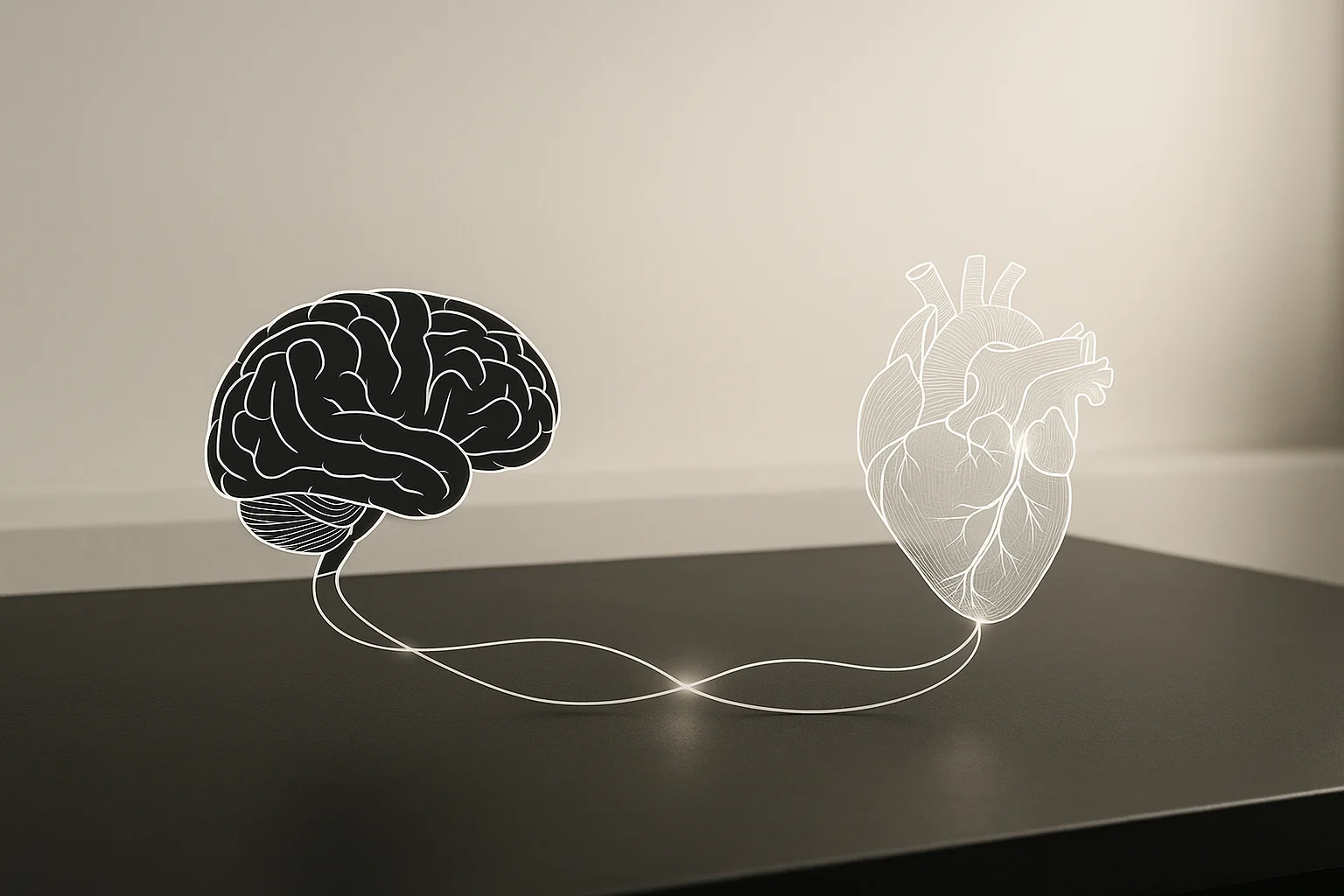
Mental health and addiction are deeply intertwined. Approximately 50% of individuals with substance use disorders also have co-occurring mental health conditions. Treating one without the other rarely leads to lasting recovery.
According to SAMHSA's National Survey on Drug Use and Health (NSDUH), 9.5 million American adults experienced both a substance use disorder and mental illness in 2023—yet only 7.4% received treatment for both conditions. The remaining 92.6% either received treatment for only one condition or no treatment at all.
This treatment gap has devastating consequences. Research published in JAMA Psychiatry shows that individuals with untreated co-occurring disorders have significantly higher rates of hospitalization, homelessness, incarceration, and premature death compared to those receiving integrated care.
At RECO Health, we don't treat addiction in isolation. Every client receives comprehensive psychiatric assessment, and those with co-occurring mental health conditions receive integrated dual diagnosis treatment—addressing both conditions simultaneously with coordinated care from addiction counselors, therapists, and psychiatrists.
Common Co-Occurring Conditions
Mental health conditions that frequently co-occur with substance use disorders.

Depression & Addiction
Major depressive disorder co-occurs in 30-40% of individuals with substance use disorders. Self-medication of depression symptoms often leads to addiction, while chronic substance use worsens depression.

Anxiety & Addiction
Generalized anxiety disorder, panic disorder, and social anxiety commonly co-occur with substance use. Alcohol and benzodiazepines provide temporary relief but worsen anxiety long-term.

PTSD & Trauma
Up to 75% of individuals seeking addiction treatment have trauma histories. PTSD symptoms drive substance use as self-medication, while substances prevent trauma processing and healing.

Dual Diagnosis Treatment
Comprehensive integrated treatment for co-occurring mental health and substance use disorders. One treatment plan, one team, addressing all conditions simultaneously for optimal outcomes.
Integrated Dual Diagnosis Treatment
We don't treat mental health and addiction separately—we address both conditions together in a coordinated, integrated treatment plan.
Comprehensive Assessment
Every client receives psychiatric evaluation, substance use assessment, trauma screening, and psychological testing to identify all conditions requiring treatment.
Coordinated Care Team
Psychiatrists, addiction medicine physicians, therapists, and counselors work together with unified treatment goals. No siloed care—one integrated plan.
Evidence-Based Therapies
CBT, DBT, trauma-focused therapy, and motivational interviewing adapted for dual diagnosis. Address thought patterns, emotional regulation, and behavioral change.
Medication Management
Psychiatric medications for depression, anxiety, PTSD, bipolar disorder, or other conditions. MAT for opioid/alcohol use disorders. Close monitoring and adjustment.
Dual Diagnosis Group Therapy
Specialized groups addressing the interplay between mental health and addiction. Learn from peers with similar experiences, reduce shame, build skills.
Relapse & Symptom Management
Develop strategies for managing both substance cravings and mental health symptoms. Build resilience against both relapse and psychiatric crisis.
Why Integrated Treatment Works
Sequential Treatment (Outdated Approach)
Old model: "Get sober first, then we'll address your depression/anxiety/PTSD."
Problems with this approach:
- Mental health symptoms make it nearly impossible to stay sober
- Untreated depression/anxiety drives relapse
- Client sees two separate providers with conflicting approaches
- Treatment for one condition may worsen the other
- 90%+ relapse rate within first year
Integrated Treatment (Evidence-Based Model)
Modern approach: Treat both conditions simultaneously from day one.
Advantages:
- Addresses root causes of substance use
- Mental health stabilization supports sobriety
- One team, one plan, consistent messaging
- Therapies complement rather than conflict
- 60-70% reduction in relapse rates
Research Support
A landmark study published in JAMA (2024) followed 1,200 individuals with co-occurring disorders for 3 years. Those receiving integrated treatment showed 68% sustained remission from both conditions at 36 months, compared to only 22% in the sequential treatment group. Integrated care is not just better—it's the only approach supported by modern research.