
Why RECO Health Offers CBT and DBT for Anxiety in Recovery
Why anxiety gets louder when substances go quiet If you are reading this after a rough night, that knot in your chest is real. Detox and early sobriety can feel strangely loud, even when the room is quiet. Panic, restlessness, and sleep loss often show up once alcohol or drugs are removed. That does not […]

Why anxiety gets louder when substances go quiet
If you are reading this after a rough night, that knot in your chest is real. Detox and early sobriety can feel strangely loud, even when the room is quiet. Panic, restlessness, and sleep loss often show up once alcohol or drugs are removed. That does not mean you are failing. It usually means your brain is relearning how to regulate itself without chemical relief.
The hidden surge of panic, restlessness, and sleep loss after detox
After detox, many people expect relief right away. Instead, they get racing thoughts, tight muscles, and broken sleep. That can feel scary, especially during South Florida detox when your body is already adjusting. The first few weeks can bring sharp swings in energy and mood. Those swings can look like “just stress,” but they often reflect the nervous system healing.
Here is the part most people miss: anxiety in recovery is often physical before it is verbal. Your heart may pound. Your jaw may clench. You may wake at 3 a.m. and replay old mistakes. In a Delray Beach rehab setting, clinicians hear this every week from people seeking help for alcoholism treatment center needs, cocaine detox Florida, opioid rehab Delray, fentanyl treatment, and heroin recovery. Some also arrive with prescription pill addiction or benzodiazepine withdrawal, where sleep disruption can be especially intense.
One client came in saying he felt “wired and exhausted” at the same time. He was convinced he needed to leave treatment. After a few days of structured support, he realized the feeling was panic, not proof that recovery was impossible. That shift mattered. Once people understand the pattern, they stop treating every symptom like an emergency.
How depression and anxiety in recovery can look like cravings or irritability
Depression and anxiety in recovery do not always look like tears. Sometimes they look like snapping at family, isolating, skipping meals, or saying “I do not care.” Those moments can be misread as resistance. In truth, they often reflect depression and addiction interacting with fear and shame. That is why mental health treatment for depression and anxiety in recovery matters as much as substance work.
Cravings can also disguise emotional distress. A person may think they want a drink, a pill, or a hit. What they really want is quiet. Or sleep. Or relief from a pounding sense of dread. That is why CBT for anxiety in recovery and DBT for anxiety in recovery are so useful. They help you name what is happening before the urge turns into action. For many people, that difference supports relapse prevention.
In a busy outpatient program Delray Beach families often tell us the same thing: “He seemed fine until he wasn’t.” That is common. Anxiety can rise fast when the brain no longer has a substance buffering it. A skilled team looks for the full picture, including mental health IOP, dual diagnosis treatment, and the person’s sleep, appetite, and stress load.
“I feel like RECO treatment is one of the best in Florida. I have been to several treatment centers and RECO is definitely better in almost every area. I can honesty say all the employees genuinely care. They go out of their way to help us navigate through early recovery The group facilitators are the best I’ve seen in treatment. Ms Engrid, Ms V and Rabbi Mark are unbelievable. Rabbi really breaks down the science behind the disease while Ms Engrid keeps it real with us and is always reminding us that we can make it. She really brings a lot of good energy around the NA program. Ms V comes in and she a wonderful therapist who really understands things from the family side. She really helps me understand what our families are going through. Hands down, RECO has the best group facilitators I’ve ever seen . I know of some peers that feel the same way
Brock really does a great job with the alumni department. As I am writing this, I am at a talent show put on by RECO. There are around 75 people here all having a great time sober. The entire event was put on well. Clients/ alumni made dishes and everyone is enjoying dinner while watching some amazing talent. I’m including pics from tonight. While going through some of my own struggles, I could really feel RECO’s support throughout the community. Brock was in contact with me on a daily basis just letting me know RECO was there for me. The support was overwhelming.
Led by Carly, The behavioral techs are fantastic. We spend a lot of time with the techs as they are always hanging with us at our houses outside of groups. They genuinely love their jobs and you can see it. The techs are fantastic in letting us know they are here for us and they show support in any way they can even if it’s just to listen to us vent about something we are struggling with. Brandon, Becky, Carlos and Brian especially go out of their way to help things go smoothly.
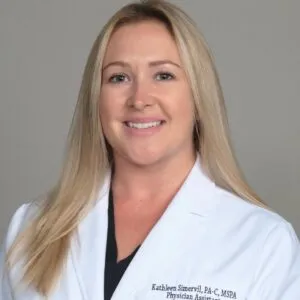
On the therapy side, they are also great. The clinical director, David, has been doing this a long time and he gets exactly what we are going through. You can see how passionate he is about his work when he runs group. There is a healthy balance with the entire team and I can see how much time they spend discussing clients. They know everything about us and I feel like that really helps us build a healthy relationship with our therapist. The medical staff is also great. Led by Kathaleen, the entire staff is always on point. Viviana, Kathaleen’s right hand lady, works her tail off making sure everything runs smoothly on the medical side.”- Buck F., a 5 star review from RECO Health on Google Business Reviews
Why co occurring disorders need treatment for both addiction and mental health
Co-occurring disorders means a substance use disorder and a mental health condition happen together. NIDA and SAMHSA both support integrated care because treating one issue alone can leave the other untouched. If you only treat addiction, anxiety may keep driving the cycle. If you only treat anxiety, substance use may keep destabilizing the brain. That is why dual diagnosis treatment is central at RECO Health.
A strong plan considers co-occurring disorders, trauma, medication needs, and support at home. It may include evidence-based treatment, licensed clinicians, individual therapy, group therapy activities, and family therapy. It may also include medication-assisted treatment when appropriate, such as Suboxone maintenance or Vivitrol injections. Those medications do not fix everything. They can, however, lower risk and create room for therapy to work.
If you are comparing Florida addiction treatment options or searching “drug rehab near me,” ask a simple question: does this place treat the whole person? That includes anxiety treatment, bipolar disorder therapy, PTSD treatment, and the practical details of care. It should also include insurance verification, aftercare planning, and sober living resources. The best programs do not separate mental health from addiction. They treat them together.
What CBT and DBT actually change inside an anxious brain
CBT and DBT are not just therapy acronyms. They are practical tools that help people slow down automatic reactions. When anxiety starts driving decisions, those tools matter. They help you interrupt the loop between fear, urge, and use. That is one reason RECO Health offers them within a broader continuum of care, from residential treatment facility support to intensive outpatient services.
How cognitive behavioral therapy breaks the loop between triggers and relapse
Cognitive behavioral therapy helps you notice the link between thoughts, feelings, and actions. If you think, “I cannot handle this,” your body may tense up. Then you may reach for a substance, a phone, or a fight. CBT teaches you to test that thought instead of obeying it. That makes it a strong fit for cognitive behavioral therapy for anxiety treatment and substance use recovery.
A practical CBT session might map the day in detail. What happened before the craving? What did you tell yourself? What else could you have tried? That structure helps with trigger management, behavioral activation, and coping skills for anxiety. It also supports emotional resilience because you begin proving to yourself that discomfort is survivable.
This is especially useful in drug rehab near me searches that involve alcohol, stimulants, or opioids. For someone in South Florida recovery, the pressure may include work stress, traffic, family conflict, or social scenes tied to the beach and nightlife. CBT gives you a way to pause before old patterns take over. You learn to replace automatic thoughts with more accurate ones. That can lower panic and support long-term recovery support.
Why dialectical behavior therapy helps when emotions feel too big to manage
Dialectical behavior therapy is built for moments when feelings become overwhelming. It teaches two things at once: accept what you feel, and still choose a safe response. That is why many people use it for DBT for anxiety in recovery and dialectical behavior therapy for emotional regulation. If your emotions spike fast, DBT gives you structure before the wave breaks you open.
DBT focuses on distress tolerance skills, mindfulness meditation, emotion regulation, and interpersonal effectiveness. Those tools are useful when shame, anger, or panic show up all at once. They help you stay present without acting on every impulse. That can matter deeply for people with dual diagnosis, bipolar disorder therapy needs, or trauma histories.
One young adult in a mental health IOP once described DBT as “having a fire extinguisher in my head.” That is not a clinical phrase, but it captures the point. The skills do not erase pain. They help you respond without making the moment worse. For some people, that means fewer blowups, fewer emergency calls, and more stable days.
The coping skills that matter most grounding techniques thought reframing and distress tolerance
The best therapy for anxiety in recovery often comes down to repeatable skills. Three of the most useful are grounding techniques, thought reframing, and distress tolerance. Grounding brings your attention back to the present. Thought reframing helps you challenge distorted thinking. Distress tolerance helps you survive strong emotion without using.
A few concrete skills often taught in CBT and DBT include:
- Naming five things you can see, four you can touch, and three you can hear
- Replacing “I am trapped” with “I am uncomfortable, and this will pass”
- Using paced breathing for one full minute
- Taking a walk before making any major decision
- Delaying a craving response for ten minutes
- Writing the trigger, thought, and outcome in a simple log
These tools work best with repetition. They are not magic. They are training. Over time, they can support recovery-oriented coping strategies, emotional resilience, and relapse prevention planning. They also pair well with mindfulness meditation, holistic recovery, and therapeutic accountability.
Where trauma informed care and PTSD treatment fit when anxiety has deeper roots
Sometimes anxiety is not just anxiety. It is a trauma response. Loud voices, conflict, certain smells, or being alone at night can trigger a full-body alarm. That is where trauma-informed care and PTSD treatment matter. If the nervous system learned danger early, it may keep sounding false alarms long after the danger has passed.
RECO Health’s approach can include trauma therapy South Florida services and, when clinically appropriate, EMDR trauma therapy. EMDR is a structured therapy that helps the brain process distressing memories differently. It is not right for every person right away. Still, it can be useful when trauma fuels social anxiety and addiction, panic, or avoidance.
A client once described her recovery as “treating the bruise under the bruise.” That is often what trauma work feels like. Surface symptoms improve, but deeper fear still needs care. When trauma is part of the picture, anxiety treatment should not stay shallow. It should address the memory, the body, and the beliefs that formed around it.
How group therapy activities and family therapy strengthen emotional regulation skills
Isolation feeds anxiety. Connection can interrupt it. That is one reason group therapy activities matter so much in recovery. In group, people practice speaking honestly, listening without fixing, and tolerating feedback. Those skills translate into daily life. They also reduce the shame that often keeps people stuck.
Family therapy matters too. Addiction and mental health strain the whole household. Families often walk on eggshells, overfunction, or shut down. A structured family process can rebuild communication and set healthier boundaries. When families learn the language of recovery, home becomes less chaotic and more predictable. That can support aftercare planning, case management, and life skills training.
If you want a closer look at structured support, RECO’s family therapy program is worth reviewing. The point is not perfection. The point is helping people respond to distress with skills, not fear. That is how emotional regulation skills become usable in real life.
When Delray Beach recovery works best and what to do next
The right level of care matters. Too little structure can leave anxiety unchecked. Too much can feel overwhelming if you do not need it. The goal is a match, not a label. In Delray Beach recovery community settings, that often means choosing between residential care, a partial hospitalization program, or intensive outpatient support based on current stability.
Why a mental health IOP or partial hospitalization program may fit better than outpatient alone
A standard weekly visit may not be enough when anxiety is daily and relapse risk is high. A partial hospitalization program offers more structure without overnight stays. A mental health IOP usually gives several therapy hours across multiple days. Both can help when you need repetition, accountability, and close clinical monitoring. They are often a better fit than outpatient alone for dual diagnosis therapy. 
If you are comparing options, think in terms of support density. PHP is more intensive. IOP is less intensive but still structured. Outpatient mental health support in Delray Beach can work well once symptoms settle. But if panic, cravings, or sleep problems are still strong, more structure can help. For a deeper breakdown, RECO’s intensive outpatient program for anxiety in Delray Beach can help you compare levels of care.
Here is a simple contrast:
Level of care
Best for
Typical focus
PHP
Higher symptom load
Daily structure, therapy, stabilization
IOP
Moderate support needs
Skills practice, relapse prevention, flexibility
Outpatient
Steadier recovery
Maintenance, check-ins, ongoing support
How RECO Health connects residential treatment facility care medical detox and aftercare planning
Some people need to start with a residential treatment facility after detox. That can be especially true with fentanyl treatment, benzodiazepine withdrawal, or severe co-occurring disorders. A stable setting helps the brain settle enough to learn. RECO Health’s continuum can connect medical detox with higher levels of support and then move into aftercare planning. That continuity matters.
On the residential side, the daily structure often includes therapy, medication review, and skills work. In many programs, you may also see individual therapy, group therapy activities, medication management, and practical planning for work or housing. Those pieces support sober living resources, vocational support, and nutritional counseling. They also help build a life that can hold recovery, not just a discharge date.
If you want to understand the full sequence, RECO’s medical detox process is a helpful place to start. Then review the broader programs structure to see how levels of care connect. That continuity is especially important for long-term recovery support. It helps people avoid the drop-off that often happens after the crisis phase ends.
What insurance verification private rehab options and out of network benefits usually mean for families
Money stress can delay care. It can also make families second-guess everything. That is why insurance verification should happen early. If you are looking at private rehab, ask how Aetna, Cigna, Blue Cross Blue Shield, or out-of-network benefits apply. The answer changes by plan, deductible, and medical necessity. No one should guess.
A good admissions team will explain what is covered, what may require authorization, and what self-pay options exist. They should also be clear about possible gaps. For example, some plans cover detox but not every follow-up service the same way. Others may require higher out-of-pocket costs for out-of-network benefits. RECO Health’s insurance verification page can help families understand the process before they commit to anything.
The key is to ask direct questions:
- What level of care is covered?
- Is the program in network or out of network?
- What documentation do you need?
- What costs might still apply?
- How long does authorization usually take?
Why local support in Delray Beach and South Florida recovery can make follow through easier
Location matters more than people think. A program near home can make attendance easier. It can also make family visits, work planning, and follow-up care simpler. In Delray Beach rehab, that may mean being close to the recovery community, Atlantic Avenue, and the calmer pace near the coast. Some people do better when treatment feels connected to real life instead of removed from it.
A local setting also helps with logistics. Someone living in Palm Beach County may need access to an inpatient rehab Palm Beach County option, then step down to an outpatient program Delray Beach or Boca Raton outpatient service. Others may be coming from Broward County rehab, Miami addiction help, Fort Lauderdale detox, or West Palm Beach mental health support needs. That regional continuity can reduce missed appointments and improve follow-through. It also makes aftercare support easier to use.
RECO Health sits at 140 NE 4th Avenue Delray Beach FL 33483, near the energy of the city but close enough to keep care focused. For many people, that balance matters. It gives them access to South Florida recovery resources without losing the calm needed for healing. And for families trying to choose wisely, that local fit can make a hard decision a little clearer.
How to choose a rehab that matches dual diagnosis treatment needs and long term recovery support
Choosing care is less about hype and more about fit. Start with the basics. Does the program offer dual diagnosis treatment? Are licensed clinicians involved? Do they use evidence-based treatment like CBT, DBT, EMDR, and medication support when needed? Do they have a real plan for aftercare planning and relapse prevention?
A few other questions matter too:
- Do they understand trauma-informed care?
- Do they support 12-step alternatives and SMART Recovery?
- Is there a path from detox to residential to IOP?
- Do they offer alumni program support?
- Can they help with young adult rehab, professional’s program, LGBTQ+ affirmative treatment, veterans addiction help, gender-specific treatment, women’s rehab, or men’s recovery when needed?
If you are comparing RECO Intensive reviews or researching how to choose a rehab, look for consistency, not perfection. Look for clear answers, calm communication, and a process that respects your time. RECO’s dual diagnosis treatment for co-occurring disorders page can help you see how mental health and addiction care fit together. You do not have to solve everything today. Start with one call, ask about fit, and ask what level of care matches your current symptoms.
Frequently Asked Questions
How long does detox last at a Delray Beach rehab?
Detox length depends on the substance, the dose, how long you used, and your health history. Alcohol and benzodiazepines often require careful monitoring. Opioids may clear faster, but symptoms can still feel intense. A clinic should explain what to expect without making promises. If you are unsure, ask whether medical detox, symptom management, and next-step planning are available together.
Does RECO Health take my insurance?
Insurance coverage depends on your plan and benefits. RECO Health offers insurance verification so families can understand coverage before admission. Ask about in-network status, out-of-network benefits, deductibles, and any prior authorization needs. That conversation can save time and reduce surprise bills. It also helps you compare care options more clearly.
What is the difference between PHP and IOP?
A partial hospitalization program, or PHP, usually offers more weekly treatment hours and more structure. An intensive outpatient program, or IOP, provides strong support with more flexibility for work, school, or home duties. Both can help with dual diagnosis treatment and anxiety treatment. The right choice depends on your symptoms, safety, and daily stability.
Can family be involved in treatment?
Yes, many programs include family therapy or education. That can help relatives understand addiction, anxiety, and boundaries. It also gives families tools for communication and support. Family involvement is often most helpful when it is structured and guided by clinicians. That keeps the focus on healing, not blame.
What if I need help for depression but not addiction?
You can still benefit from treatment. Depression, anxiety, panic, trauma, and sleep problems can all disrupt daily life, even without active substance use. A good program will assess your symptoms carefully and recommend the right level of care. That may include outpatient mental health support in Delray Beach, IOP, or trauma therapy South Florida services.
Are CBT and DBT evidence-based for anxiety in recovery?
Yes. CBT and DBT are widely used, evidence-based therapies. CBT helps with thought patterns, triggers, and behavior change. DBT helps with emotion regulation, distress tolerance, and mindfulness. For people with co-occurring disorders, these tools can support relapse prevention and long-term recovery support when used consistently.
What should I do today if anxiety is making sobriety feel shaky?
Call a treatment center and ask about assessment, level of care, and insurance verification. Write down your main symptoms before you call. Be honest about sleep, cravings, panic, and any recent substance use. If you need support nearby, ask about Delray Beach recovery options and whether a PHP or IOP may fit best. You do not have to figure this out alone, and you do not have to solve everything in one sitting.