
Guide to Trauma Therapy South Florida at RECO Health
When trauma keeps showing up as panic, numbness, or relapse in Delray Beach If you are reading this because panic keeps spiking, sleep feels broken, or relapse keeps circling back, that fear is real. Trauma can hide in plain sight. It can look like drinking, pills, shutting down, or lashing out. In Delray Beach, where […]

When trauma keeps showing up as panic, numbness, or relapse in Delray Beach
If you are reading this because panic keeps spiking, sleep feels broken, or relapse keeps circling back, that fear is real. Trauma can hide in plain sight. It can look like drinking, pills, shutting down, or lashing out. In Delray Beach, where the ocean is close and life can look calm from the outside, many people carry storms inside. A good trauma therapy South Florida plan starts by naming that pain clearly.
The clues that trauma may be hiding inside addiction, depression, or anxiety
Trauma does not always arrive as flashbacks. Sometimes it looks like alcohol misuse, prescription pill addiction, or the need to stay numb all day. Other times it shows up as depression and addiction at the same time, or anxiety treatment needs that never fully settle. You may notice irritability, poor focus, sleep problems, or a body that stays tense even after the crisis passes. These are common signs of addiction and trauma overlap.
Here is what many families miss: the symptom is often the shield. A person may drink to quiet memories, use opioids after pain, or rely on benzodiazepines to sleep. That pattern can quickly lead to opioid rehab Delray, cocaine detox Florida, or an alcoholism treatment center level of care. The person is not being difficult. They may be trying to survive the day. Guide to PTSD treatment and trauma therapy in South Florida
I met a mother in Palm Beach County who said her son had become “cold.” He stopped calling, stayed in his room, and snapped at everyone. What she later learned was that his withdrawal was not defiance. It was fear mixed with shame after years of untreated trauma and substance use. That is the kind of pattern a thoughtful Delray Beach rehab team learns to recognize early.
Why South Florida detox can surface old memories instead of solving them
South Florida detox can be medically necessary, but detox alone rarely resolves trauma. Once alcohol, opioids, or sedatives start clearing, the nervous system has less buffering. Memories, panic, and grief can surface quickly. That is why people ask, “How long is detox?” and also, “What happens after I can think again?” Both questions matter.
For cocaine detox Florida, opioid detox, fentanyl treatment, heroin recovery, or benzodiazepine withdrawal, the body needs careful monitoring. The mind may also need support because old events can feel present again. SAMHSA guidelines and NIDA both support treating withdrawal and mental health together when possible. If trauma is part of the story, a detox program should not act like that part does not exist.
One client described detox as “the quiet after the noise.” That quiet can feel safe for some people, but for others it feels exposing. That is why a strong South Florida detox plan should connect directly to therapy, not stop at stabilization. Detox makes room. Trauma care helps fill that room with something steadier.
What families in Palm Beach County often miss when trauma looks like anger or withdrawal
Families often search for a drug rehab near me and expect a simple answer. Real life is messier. Anger can be a mask for terror. Withdrawal can be a mask for shame. Even “doing fine” can hide a person who is quietly unraveling.
In Palm Beach County, this shows up often after a job loss, breakup, accident, or grief event. The person may look stubborn, but the nervous system may be overloaded. Family therapy can help everyone stop arguing with the symptom and start seeing the injury beneath it. That shift matters because blame usually makes trauma worse.
RECO Health’s approach is built around the idea that people deserve care with dignity. That matters for young adult rehab, veterans addiction help, LGBTQ+ affirmative treatment, gender-specific treatment, and men’s recovery or women’s rehab needs. The right setting respects the whole person. It also respects that healing is slower than crisis.
Why trauma therapy works best when the whole picture gets treated, not just the symptom
Trauma therapy works better when the diagnosis is not reduced to one label. A person may have PTSD treatment needs, depression and addiction, or bipolar disorder therapy questions alongside substance use. If the care plan only targets drinking or only targets panic, the larger pattern often stays in place. That is why dual diagnosis treatment matters so much in South Florida recovery.
How dual diagnosis treatment addresses co-occurring disorders together
Dual diagnosis means treating mental health and substance use together. It is the co-occurring disorders model, and it fits many people in Delray Beach rehab settings. A person with PTSD, anxiety, or bipolar disorder may use substances to cope. A person with substance use may also develop worsening mood symptoms. Treating one without the other leaves a gap.
A dual diagnosis treatment for co-occurring disorders in South Florida plan should include assessment, medication review, therapy, and discharge planning. That can help with alcoholism treatment center needs, opioid rehab Delray, or depression and addiction patterns. NIDA has long emphasized that co-occurring care improves the chance of lasting engagement. It also reduces the chaos families feel when symptoms keep trading places.
What we see most often is this: the substance is not the whole problem, and the mental health diagnosis is not the whole problem either. Both can feed each other. That is why licensed clinicians, case management, and evidence-based treatment matter. You need a team that can see the full pattern.
When CBT, DBT, and EMDR trauma therapy each make sense
CBT, or cognitive behavioral therapy, helps people notice the thoughts that drive fear, shame, or relapse. DBT, or dialectical behavior therapy, adds skills for distress tolerance, emotion regulation, and impulsive behavior. EMDR trauma therapy can help some people process traumatic memories in a structured way. Each has a different job, and each can fit a different stage of recovery.
A cognitive behavioral therapy and dialectical behavior therapy for trauma recovery plan often works well when a person needs coping skills first. EMDR may make more sense once the person can stay grounded enough to process material safely. None of these should feel rushed. Trauma work gets shaky when the nervous system is still in emergency mode.
Here is the part most people miss. The “best” therapy is the one that fits the person’s readiness, symptoms, and safety. A veteran with nightmares may need a different pace than a young adult with panic after fentanyl treatment. A good program adjusts rather than forcing one template.
Why PTSD treatment often needs family therapy, group therapy activities, and medication support
PTSD treatment is rarely just private, one-on-one work. Family therapy can reduce confusion, conflict, and enabling. Group therapy activities can lower shame, because people hear their own story in someone else’s words. Medication support can also help when symptoms are strong enough to block progress.
The evidence base for trauma care is strong when treatment is layered carefully. For some people, medication-assisted treatment with Suboxone maintenance or Vivitrol injections also matters, especially when opioid cravings and trauma symptoms overlap. FDA-approved medications can reduce relapse risk, but they are not magic. They work best with therapy, structure, and follow-through.
RECO Health’s evidence-based treatment with licensed clinicians and a family therapy model fits that logic. It aims to treat the person, not just the crisis. For a family in South Florida, that can mean less chaos at home and more clarity about what happens next.
What healing can actually look like inside a Delray Beach rehab setting
A real treatment setting should feel structured, calm, and human. In Delray Beach, that may mean a residential treatment facility, partial hospitalization program, intensive outpatient, or outpatient program Delray Beach level of care. Each one serves a different need. The right match depends on safety, severity, and how much support a person needs each day.
How a residential treatment facility or partial hospitalization program fits different levels of need
A residential treatment facility gives the most support without requiring hospital-level care. A partial hospitalization program, or PHP, gives intensive daytime treatment with a return home or to housing at night. For people with recent relapse, unstable symptoms, or trauma that stays highly activated, that structure can be essential. It gives the brain repetition, routine, and a quieter pace.
If you are comparing partial hospitalization program vs IOP in Palm Beach County, think about stability first. PHP is often better when symptoms are still intense. Residential care can help when the environment itself is too triggering. The key question is not status. It is safety.
Delray Beach has a coastal healing environment that many people find grounding. The light, the air, and the shift away from daily triggers can matter. Still, healing is not the beach. Healing is the daily work that happens inside it.
When intensive outpatient and mental health IOP make more sense than inpatient rehab Palm Beach County
Inpatient rehab Palm Beach County is not always the right fit. Some people need to keep working, parenting, or managing life responsibilities while receiving care. That is where intensive outpatient and mental health IOP can help. They offer real support without full residential removal.
A mental health IOP for anxiety and depression recovery can be especially useful when someone is medically stable but emotionally overloaded. It also helps with dual diagnosis treatment, co-occurring disorders, and relapse prevention. The person still gets group support, coping skills, and clinician contact. They just do it in a way that fits more of daily life.
What we see in 2026 specifically is that many families want support without losing all routine. That is sensible. For some, a strong outpatient program Delray Beach plan is the bridge between crisis care and long-term recovery. For others, it is the right level from the start.
How medication-assisted treatment, aftercare planning, and sober living resources support long-term recovery
Medication-assisted treatment can be a life-saving part of opioid rehab Delray and fentanyl treatment. Suboxone maintenance may reduce withdrawal and cravings. Vivitrol injections may help some people stay protected from opioid relapse after detox. These medications are tools, not verdicts. They help when used with therapy and monitoring. 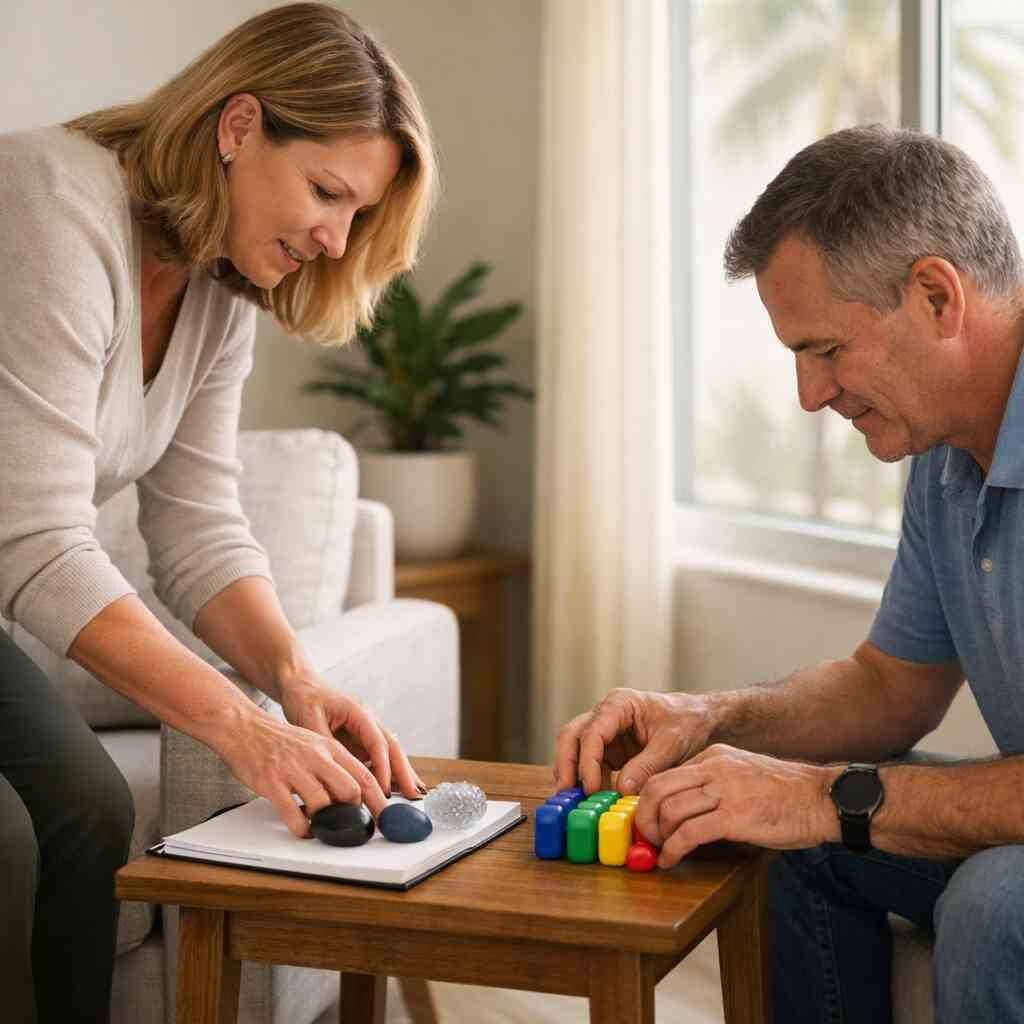
Long-term recovery also needs aftercare planning. That means sober living resources, relapse prevention, coping skills, case management, life skills training, vocational support, and nutritional counseling. It can also include 12-step alternatives like SMART Recovery for people who want a different style of support. The point is not one perfect path. The point is a stable next layer.
A man in early recovery once told staff that the hardest hour was late afternoon, when his old routine used to start. His plan included housing support, meetings, therapy, and phone check-ins. That structure did not erase cravings, but it made them manageable. That is what good aftercare does. Aftercare planning and sober living resources in Delray Beach
The clearest path forward when you are choosing trauma care near South Florida
Choosing trauma care can feel like reading two hard languages at once. One language is clinical. The other is insurance. You may be sorting through insurance verification, out-of-network benefits, self-pay options, and “what is PHP vs IOP” all at once. That pressure is common, and it is exhausting.
How to choose a rehab without getting lost in insurance verification, out-of-network benefits, or self-pay options
Start with the basics. Ask whether the program handles insurance verification early, and ask what the financial estimate includes. If the center is a Florida rehab that takes insurance, confirm the plan network status and whether out-of-network benefits apply. If self-pay options matter, ask for a clear breakdown before admission.
A good how to choose a rehab near me in Palm Beach County conversation should also cover intervention services, intake process, and level of care. Ask how the team handles detox, trauma symptoms, and co-occurring disorders. Do not be shy about asking direct questions. Clarity protects you from rushed decisions.
Here is a simple checklist you can use today:
- Ask what diagnoses they treat.
- Ask who provides therapy and medication support.
- Ask how they handle relapse risk.
- Ask how family can participate.
- Ask what happens after discharge.
What to look for in licensed clinicians, evidence-based treatment, and a coastal healing environment
Licensed clinicians matter because trauma care needs skill, not guesswork. Evidence-based treatment matters because trauma and addiction are too serious for vague promises. You want CBT, DBT, EMDR, family therapy, and group therapy activities used with purpose. You also want staff who can explain why a method fits your situation.
A calm, coastal healing environment can support regulation, but it cannot replace care quality. The best centers combine setting with clinical discipline. That means joint attention to medication, therapy, daily structure, and aftercare. It also means a program that can work with adolescents, young adults, professionals, LGBTQ+ clients, veterans, and gender-specific needs without making anyone feel like a category.
If you are considering RECO Health, look closely at the level of support, the continuity of care, and the culture of the place. RECO Intensive reviews can help you learn how others experienced the process, but your own fit matters most. Insurance verification and rehab payment options in Florida can also remove a lot of guesswork early.
When to ask about RECO Intensive location, intake process, alumni program, and the next right move for you or your family
If you are near 140 NE 4th Avenue Delray Beach FL 33483, location may matter more than you expect. Proximity to the Delray Beach recovery community, Atlantic Avenue, and South Florida recovery resources can make follow-through easier. Ask where care happens, how the day is structured, and what support continues after discharge. The intake process and admissions for RECO Intensive in Delray Beach should feel clear, not confusing.
Ask about the alumni program, too. Continuing connection often helps people stay grounded after structured care ends. That is consistent with continuing care best practices and with what many families need most: stable contact, not just a goodbye. If you want a place to start, choose one call, one insurance check, or one admissions conversation today.
You do not have to solve everything right now. Pick the program that can explain its trauma care, level of support, and aftercare in plain language. Then ask how they handle your specific mix of symptoms, insurance, and life demands. That is the next right move.
Frequently Asked Questions
How long does detox last at a Delray Beach rehab?
Detox length varies by substance, health, and withdrawal risk. Alcohol, opioids, benzodiazepines, cocaine, and fentanyl can all affect the timeline differently. A medical team should assess you or your loved one before giving a more specific estimate. If trauma is present, the emotional layer may last longer than the physical withdrawal. That is one reason good detox should connect to therapy and ongoing care.
Does RECO Intensive take my insurance?
Insurance coverage depends on your plan, benefits, and network status. The safest move is to complete insurance verification before admission. Ask about in-network, out-of-network benefits, and self-pay options so you can compare clearly. A good admissions team should explain the estimate in plain language and help you understand your choices without pressure.
What is the difference between PHP and IOP?
PHP, or partial hospitalization program, usually offers more hours of treatment each week. IOP, or intensive outpatient, usually offers fewer hours and more flexibility. PHP often fits people who need more structure, while IOP can suit people who are more stable but still need strong support. The right choice depends on symptoms, safety, and daily responsibilities.
Can I bring my phone to treatment?
That depends on the program and the level of care. Some settings limit phone use at first so people can focus on stabilization and group work. Others allow more access later, especially in outpatient care. Ask about device rules during the intake process so there are no surprises.
Is family involved in the program?
Many trauma and addiction programs include family therapy or family education. That can help repair communication, reduce blame, and support better boundaries at home. Some programs also offer family weekend or scheduled family sessions. If you have a strained relationship, ask how the team handles that safely and respectfully.
What if I need help for depression but not addiction?
You can still seek treatment. Depression, anxiety, bipolar disorder therapy needs, and PTSD treatment do not require substance use to be valid. A mental health IOP or other level of care may be appropriate. If substance use is also present, dual diagnosis treatment can address both without forcing one story over the other.
*”I feel like RECO treatment is one of the best in Florida. I have been to several treatment centers and RECO is definitely better in almost every area. I can honesty say all the employees genuinely care. They go out of their way to help us navigate through early recovery The group facilitators are the best I’ve seen in treatment. Ms Engrid, Ms V and Rabbi Mark are unbelievable. Rabbi really breaks down the science behind the disease while Ms Engrid keeps it real with us and is always reminding us that we can make it. She really brings a lot of good energy around the NA program. Ms V comes in and she a wonderful therapist who really understands things from the family side. She really helps me understand what our families are going through. Hands down, RECO has the best group facilitators I’ve ever seen . I know of some peers that feel the same way
Brock really does a great job with the alumni department. As I am writing this, I am at a talent show put on by RECO. There are around 75 people here all having a great time sober. The entire event was put on well. Clients/ alumni made dishes and everyone is enjoying dinner while watching some amazing talent. I’m including pics from tonight. While going through some of my own struggles, I could really feel RECO’s support throughout the community. Brock was in contact with me on a daily basis just letting me know RECO was there for me. The support was overwhelming.
Led by Carly, The behavioral techs are fantastic. We spend a lot of time with the techs as they are always hanging with us at our houses outside of groups. They genuinely love their jobs and you can see it. The techs are fantastic in letting us know they are here for us and they show support in any way they can even if it’s just to listen to us vent about something we are struggling with. Brandon, Becky, Carlos and Brian especially go out of their way to help things go smoothly.
On the therapy side, they are also great. The clinical director, David, has been doing this a long time and he gets exactly what we are going through. You can see how passionate he is about his work when he runs group. There is a healthy balance with the entire team and I can see how much time they spend discussing clients. They know everything about us and I feel like that really helps us build a healthy relationship with our therapist. The medical staff is also great. Led by Kathaleen, the entire staff is always on point. Viviana, Kathaleen’s right hand lady, works her tail off making sure everything runs smoothly on the medical side.”- Buck F., a 5 star review from our business on Google Business Reviews