
What RECO Health Families Should Know About Aftercare
When the discharge papers come home and everyone realizes recovery is just getting started The discharge day can feel relieving and terrifying at once. If you are reading this with a knot in your stomach, that reaction makes sense. Families often expect treatment to end the hardest part. In reality, aftercare planning is where daily […]

When the discharge papers come home and everyone realizes recovery is just getting started
The discharge day can feel relieving and terrifying at once. If you are reading this with a knot in your stomach, that reaction makes sense. Families often expect treatment to end the hardest part. In reality, aftercare planning is where daily life starts testing the progress made in detox, residential treatment, or PHP. At RECO Health, that transition matters because long-term recovery usually needs structure long after the initial crisis calms down. For many families searching for Delray Beach rehab or Florida addiction treatment, this is the point where the real work becomes visible.
What aftercare really means after detox, residential treatment, or PHP
Aftercare means the support that continues after a higher level of care ends. It can include outpatient follow-up, case management, family therapy, sober living resources, and relapse prevention planning. It also means planning for the moments that do not feel clinical at all, like a tense phone call, a lonely evening, or a hard return to work. In a strong treatment continuum, each step should connect to the next without leaving a gap. That is why families asking how long detox takes should also ask what happens after detox ends.
Here is the part most people miss. Detox clears the body, but it does not rebuild routines, trust, or coping skills. A person may leave a South Florida detox or residential treatment facility looking steady, yet still feel exposed to triggers. One parent in the Delray area told us the home felt peaceful for three days, then became chaotic by the weekend because nobody had discussed sleep, phones, meals, or boundaries. Those details sound small. They are not small at all.
Why families in Delray Beach often underestimate the need for structured support
Delray Beach has a visible recovery culture, and that can create a false sense of ease. People see meetings near Atlantic Avenue, hear success stories, and assume support will naturally appear. Support does exist here, but it works best when it is planned, not hoped for. That is especially true for families dealing with opioid rehab in Delray, heroin recovery, alcoholism treatment, or drug rehab near me searches after a crisis. A coastal setting helps mood, but it cannot replace a structured plan.
The mistake we see most often is timing. Families wait until tension rises, then scramble for aftercare support while emotions are already high. That can lead to rushed decisions about housing, work, therapy, or medication. In South Florida, where schedules move fast and recovery communities stay active, waiting too long can leave a person unsupported. The better move is to treat aftercare like part of treatment, not a bonus add-on.
The difference between a good exit plan and a plan that quietly falls apart
A good exit plan names the next level of care, the support people, and the warning signs. It includes who handles appointments, who helps with transportation, and what to do if cravings spike. It also considers practical realities like insurance, work hours, and family stress. A weak plan sounds hopeful but stays vague. Vague plans often fail when pressure returns.
We once spoke with a family whose loved one left a program with a notebook full of good intentions. The notebook had no phone numbers, no appointment dates, and no plan for the first difficult night home. By the second week, everyone was exhausted. The fix was not dramatic. It was structured: appointments, reminders, housing support, and family rules written down in plain language. That kind of structure protects progress.
How RECO Health frames aftercare as part of long-term recovery, not a bonus add-on
RECO Health treats aftercare as part of recovery from the start. That fits the idea of a continuum of care in behavioral health and the reality that healing often needs more than one level of service. For families comparing inpatient rehab in Palm Beach County, outpatient program Delray Beach options, or mental health IOP, the key question is simple: what happens after the main program ends? RECO’s approach emphasizes continuity, not abrupt endings.
For families exploring how RECO Health supports strong aftercare planning, that continuity often includes coordination across disciplines. This matters for dual diagnosis treatment, co-occurring disorders, and recovery plans that involve both mental health and substance use concerns. It also matters for people leaving a partial hospitalization program or intensive outpatient setting who still need steady check-ins. Aftercare is not an afterthought. It is the bridge.
“I feel like RECO treatment is one of the best in Florida. I have been to several treatment centers and RECO is definitely better in almost every area. I can honesty say all the employees genuinely care. They go out of their way to help us navigate through early recovery The group facilitators are the best I’ve seen in treatment. Ms Engrid, Ms V and Rabbi Mark are unbelievable. Rabbi really breaks down the science behind the disease while Ms Engrid keeps it real with us and is always reminding us that we can make it. She really brings a lot of good energy around the NA program. Ms V comes in and she a wonderful therapist who really understands things from the family side. She really helps me understand what our families are going through. Hands down, RECO has the best group facilitators I’ve ever seen . I know of some peers that feel the same way
Brock really does a great job with the alumni department. As I am writing this, I am at a talent show put on by RECO. There are around 75 people here all having a great time sober. The entire event was put on well. Clients/ alumni made dishes and everyone is enjoying dinner while watching some amazing talent. I’m including pics from tonight. While going through some of my own struggles, I could really feel RECO’s support throughout the community. Brock was in contact with me on a daily basis just letting me know RECO was there for me. The support was overwhelming.
Led by Carly, The behavioral techs are fantastic. We spend a lot of time with the techs as they are always hanging with us at our houses outside of groups. They genuinely love their jobs and you can see it. The techs are fantastic in letting us know they are here for us and they show support in any way they can even if it’s just to listen to us vent about something we are struggling with. Brandon, Becky, Carlos and Brian especially go out of their way to help things go smoothly.
On the therapy side, they are also great. The clinical director, David, has been doing this a long time and he gets exactly what we are going through. You can see how passionate he is about his work when he runs group. There is a healthy balance with the entire team and I can see how much time they spend discussing clients. They know everything about us and I feel like that really helps us build a healthy relationship with our therapist. The medical staff is also great. Led by Kathaleen, the entire staff is always on point. Viviana, Kathaleen’s right hand lady, works her tail off making sure everything runs smoothly on the medical side.”- Buck F. (5 star review from RECO Health on Google Business Reviews)
The aftercare map families need before the pressure starts building again
Before pressure builds, families need a map. That map should show the next appointments, the housing plan, the therapy cadence, and the family role. It should also name what success looks like in the near term, such as attending sessions, taking medication as prescribed, or using coping skills during stress. The most useful plans are practical, not perfect. They make room for real life.
What to expect from aftercare planning, case management, and life skills training
Good aftercare planning begins with case management. That means someone helps coordinate care, track referrals, and solve barriers before they become crises. Families may also hear about life skills training, vocational support, and nutritional counseling. Those services matter because recovery is not only about stopping substance use. It is about rebuilding a day that feels manageable.
Think about the small tasks that collapse when someone is unstable. Meals get skipped. Sleep becomes erratic. Bills pile up. Appointment reminders vanish. Case management helps reduce that friction, while recovery education for families teaches everyone how to support structure without taking over control. That balance is hard, but it is learnable.
How outpatient program Delray Beach care fits with mental health IOP and dual diagnosis treatment
An outpatient program Delray Beach families trust often works best after a higher level of care. It gives the person continued support while they re-enter work, school, or home life. For many people, mental health IOP is the right bridge when symptoms are still active but no longer need daily supervision. This is especially important for dual diagnosis treatment and co-occurring disorders, where depression, anxiety, bipolar symptoms, trauma, and substance use interact.
Level of careCommon purposeWhat families usually noticePHPHigh support with structured daysMore time in treatment, less time at homeIOPSteady therapy while life resumesMore flexibility, more personal responsibilityStandard outpatientOngoing maintenance and check-insLess frequent visits, more independenceFor families comparing what PHP vs IOP means, the answer usually comes down to intensity and supervision. PHP provides more hours and more structure. IOP allows more practice in daily life. Both can be vital when people are building new habits after a residential treatment facility stay. For some families, intensive outpatient and mental health IOP for co-occurring disorders is the right next layer of care.
When sober living resources and transitional living make more sense than sending someone straight home
Sometimes the home is not ready, even if everyone wants it to be. That may be because of conflict, substance exposure, unstable routines, or a lack of accountability. In those cases, sober living resources and transitional living can protect progress. They create a buffer between treatment and full independence. That buffer can matter a great deal for young adult rehab, men’s recovery, women’s rehab, and people leaving a private rehab setting with high stress at home.
Families in South Florida often ask for the “best” option, but better questions help more. Is the person stable enough to return home directly? Are there clear boundaries? Is there a plan for curfews, meetings, transportation, and relapse warning signs? If the answer is fuzzy, transitional housing may be the wiser choice. For a local overview, top sober living resources near Delray Beach in Florida can help families compare options.
Why coping skills, relapse prevention, and family therapy work best together
Relapse prevention is not fear-based. It is skill-based. It helps a person identify triggers, name high-risk situations, and choose a safer response. Coping skills might include calling a sponsor, walking, breathing, writing, or leaving an argument before it escalates. Those skills work better when the family also changes how it responds. That is where family therapy matters. Families need their own tools: clear boundaries, calmer communication, and less rescuing. A family may love fiercely and still make recovery harder by arguing late at night or covering consequences. That is not failure. It is a pattern that can change. Many families benefit from family resources for recovery education and boundaries because education gives everyone a shared language. 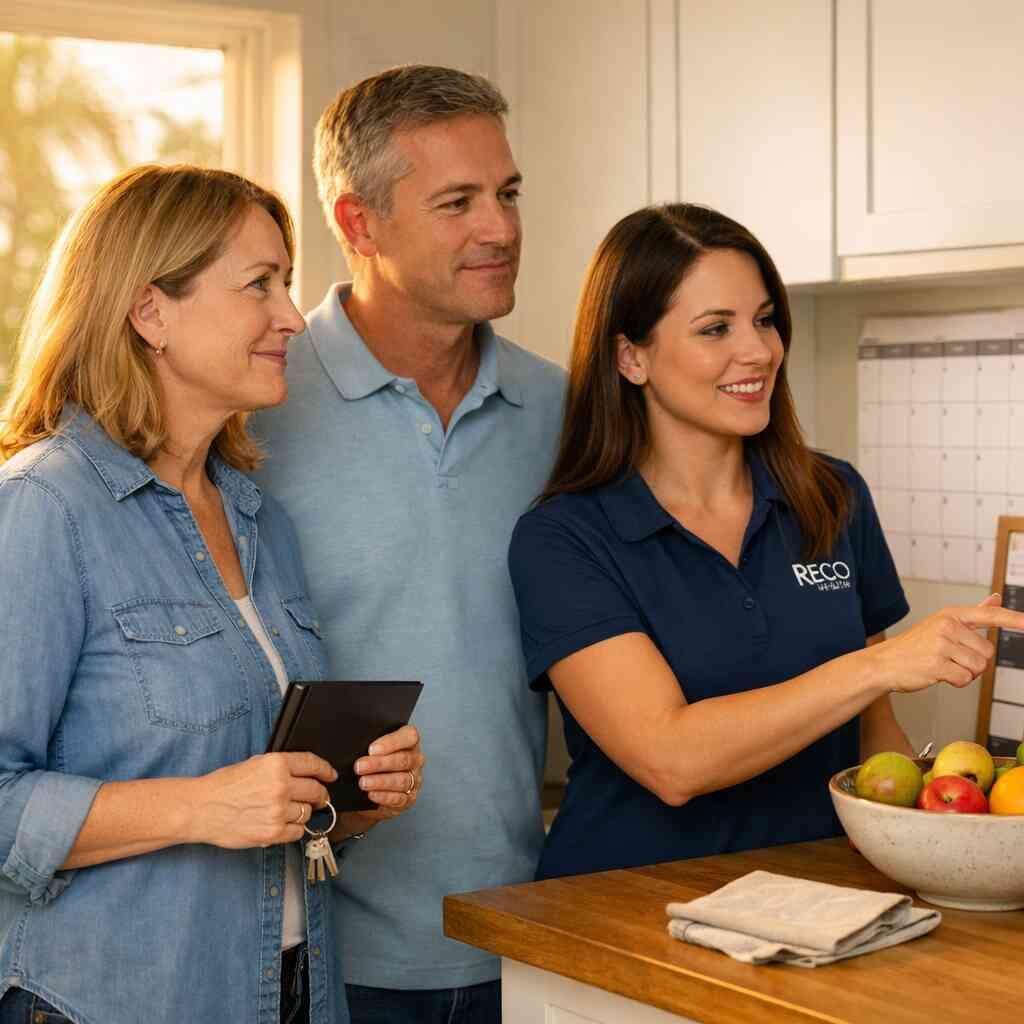
How mindfulness meditation, group therapy activities, and holistic recovery can support stability
Some families hear “holistic” and assume it means vague or soft. It does not. Holistic recovery means supporting the whole person: body, mind, relationships, and daily rhythm. Mindfulness meditation can lower reactivity. Group therapy activities can reduce isolation and shame. Yoga therapy and art therapy can help people notice stress before it becomes a crisis.
These tools work best alongside evidence-based treatment, not instead of it. Cognitive behavioral therapy helps people challenge thoughts that lead to use. Dialectical behavior therapy teaches distress tolerance and emotion regulation. EMDR trauma therapy can help process trauma when clinically appropriate. Together, these methods support stability, especially for people seeking trauma therapy South Florida, PTSD treatment, depression and addiction care, or anxiety treatment. For families who want a fuller picture, family therapy activities during RECO Health weekend can show how structured connection helps.
The decision point that protects progress instead of hoping willpower is enough
This is the part where families often feel pressure. The person is improving, so everyone wants to relax. That makes sense. It is also where gaps can open up fast. Strong aftercare means making decisions before the pressure returns, not after. Small choices now can prevent large problems later.
How to use alumni program support, RECO Intensive alumni connections, and aftercare support groups
An alumni program can give recovery a social anchor. For many people, the weeks after discharge feel lonely because they lose the daily structure of treatment. RECO Intensive alumni connections and aftercare support groups help replace that emptiness with accountability and community. That support is especially useful for people who have done better with peer contact than with isolation.
The value here is not sentimental. It is practical. Alumni support creates reminders, checks in on early warning signs, and keeps recovery visible. Families searching for RECO Intensive reviews often want to know what happens after the formal schedule ends. A strong alumni network can make the difference between drifting and staying connected. For families focused on local continuity, the Delray Beach recovery community is a useful reference.
What families should ask about medication-assisted treatment, Suboxone maintenance, and Vivitrol injections
Medication can be a stabilizing tool. It is not a shortcut, and it is not right for every person. But medication-assisted treatment may help people with opioid or alcohol use disorders stay safer while they build recovery skills. Families should ask whether the plan includes Suboxone maintenance or Vivitrol injections, and how medication fits with counseling and monitoring.
The question is not “medication or no medication.” The better question is whether medication is matched to the diagnosis and followed by therapy. FDA-approved medications can reduce cravings or block rewarding effects, which can support fentanyl treatment, cocaine detox Florida pathways, and prescription pill addiction recovery when clinically indicated. If you want a plain overview, medication-assisted treatment with Suboxone maintenance and Vivitrol injections explains the basics clearly.
When to verify insurance, ask about self-pay options, and compare Florida rehabs that take insurance
Insurance questions often feel uncomfortable, but they matter. Families should verify benefits early, especially if they are comparing Florida rehabs that take insurance. Ask about deductibles, network status, and out-of-network benefits if the program is a better fit clinically. Also ask about self-pay options if coverage is limited or if private scheduling matters.
This is especially useful for families comparing a private rehab against other local choices in Palm Beach County treatment centers, Broward County rehab, or West Palm Beach mental health programs. Financial clarity reduces panic. It also helps families compare the real total cost, not just the sticker price. If you need a starting point, insurance verification for Florida rehabs that take insurance is often the fastest way to understand what is covered.
How to tell whether a plan includes trauma therapy South Florida, PTSD treatment, depression and addiction, or anxiety treatment
Trauma is often the engine behind relapse. That does not mean every person needs trauma processing right away. It does mean the aftercare plan should acknowledge trauma if it is present. Look for trauma therapy South Florida options that use CBT, DBT, or EMDR when appropriate. Also ask how the team treats PTSD treatment, depression and addiction, anxiety treatment, and bipolar disorder therapy together.
The NIDA model of care for dual diagnosis is clear: mental health and substance use concerns should be treated together when they co-occur. That matters because treating one problem while ignoring the other often leads to frustration. Families should ask how symptoms are tracked, how medications are reviewed, and how therapy goals are coordinated. If a plan sounds narrow, it may be too narrow. If it addresses the whole picture, that is a better sign.
What a strong next step looks like for Delray Beach recovery community support near 140 NE 4th Avenue Delray Beach FL 33483
A strong next step is specific. It names the level of care, the support system, and the next appointment. It also fits the person’s real life in Delray Beach, where recovery support sits alongside beach traffic, busy clinics, and a strong local network. For families looking near 140 NE 4th Avenue Delray Beach FL 33483, the goal is not perfection. The goal is continuity.
At RECO Health, that often means aligning aftercare planning with the right mix of therapy, housing, medication, and family support. It may include partial hospitalization program and step-down care, residential treatment and transitional care, or ongoing outpatient program in Delray Beach for continued support. It may also include guidance for intervention services, family therapy, and recovery coaching and relapse prevention support. If your family is sorting out the next move, aftercare planning for long-term recovery in Delray Beach is the most direct place to start. You do not need to solve everything tonight. Start with one call, one honest conversation, and one clear plan for the next seven days.
Frequently Asked Questions
Question: What should families know about aftercare planning after detox, residential treatment, or PHP at RECO Health?
Answer: Aftercare planning is the bridge between treatment and real life. At RECO Health, families are encouraged to treat it as part of care from the beginning, not as an extra step at the end. A strong plan usually includes outpatient follow-up, case management, family therapy, relapse prevention, and practical supports like transportation, appointments, and housing. This matters whether someone is stepping down from a residential treatment facility, a partial hospitalization program, or intensive outpatient care. The goal is to support long-term recovery with structure, clear communication, and realistic next steps. For families exploring Delray Beach rehab or Florida addiction treatment, asking what happens after discharge is just as important as asking what happens during treatment.
Question: In the blog title What RECO Health Families Should Know About Aftercare, why is family therapy such an important part of family aftercare support?
Answer: Family therapy helps everyone build the skills needed to support recovery without increasing conflict or rescuing too much. In aftercare, families often need help with boundaries in recovery, communication skills, and understanding relapse prevention. That support can be especially important in dual diagnosis treatment and co-occurring disorders, where substance use and mental health concerns interact. RECO Health’s approach emphasizes recovery education for families so loved ones can learn how to respond to cravings, stress, mood changes, and setbacks in healthier ways. When family therapy is part of the plan, it can also help repair trust and strengthen the support system around the person in recovery.
Question: How do outpatient program Delray Beach, mental health IOP, and sober living resources fit into the RECO Health treatment continuum?
Answer: These services help people continue healing while gradually taking on more independence. An outpatient program Delray Beach can provide ongoing therapy and accountability after a higher level of care. Mental health IOP is often a useful bridge for people who still need regular clinical support, especially when depression and addiction, anxiety treatment, PTSD treatment, or bipolar disorder therapy are part of the picture. For some individuals, sober living resources or transitional living may be the safer option instead of returning directly home. That extra structure can support coping skills, life skills training, and recovery maintenance while a person adjusts to daily life again. In a strong treatment continuum, each level supports the next so there are fewer gaps in care.
Question: Does RECO Health offer evidence-based treatment options like CBT, DBT, EMDR trauma therapy, and medication-assisted treatment?
Answer: RECO Health’s model is built around evidence-based treatment and a whole-person approach. Depending on clinical needs, aftercare may include cognitive behavioral therapy, dialectical behavior therapy, EMDR trauma therapy, group therapy activities, mindfulness meditation, and holistic recovery supports. For some people, medication-assisted treatment may also be part of the plan, including options such as Suboxone maintenance or Vivitrol injections when clinically appropriate. These services can be especially important for fentanyl treatment, heroin recovery, prescription pill addiction, cocaine detox Florida pathways, or opioid rehab Delray needs. The key is matching the right support to the right person rather than assuming one approach works for everyone.
Question: How can families verify insurance, compare Florida rehabs that take insurance, and understand whether private rehab is the right fit?
Answer: Insurance verification is an important early step because it helps families understand what care may be covered and what out-of-pocket responsibilities may exist. RECO Health encourages families to ask about Aetna, Cigna, Blue Cross Blue Shield, out-of-network benefits, and self-pay options so they can compare programs clearly. That is especially helpful when looking at Florida rehabs that take insurance, a private rehab, or other Palm Beach County treatment centers, Broward County rehab options, or West Palm Beach mental health services. Cost should never be the only factor, but financial clarity helps families make calmer, better-informed decisions. If you are comparing options for a loved one and wondering how to choose a rehab, asking about insurance is one of the most practical places to start.
Question: What role do alumni program support, RECO Intensive alumni, and aftercare support groups play in long-term recovery near 140 NE 4th Avenue Delray Beach FL 33483?
Answer: Alumni support helps recovery stay connected after the structure of formal treatment ends. RECO Intensive alumni connections and aftercare support groups can give people a sense of accountability, community, and encouragement as they move through everyday life in the Delray Beach recovery community. That support can be especially useful for young adult rehab, men’s recovery, women’s rehab, veterans addiction help, LGBTQ+ affirmative treatment, and professional’s program needs. For many families, the biggest challenge after discharge is not just staying sober, but staying engaged with a healthy support system. Having access to alumni programming, sober things to do in Delray, and community-based recovery resources can make those next steps feel more manageable and less isolating.