
What Is RECO Health Detox Like in Delray Beach 2026
If you are reading this because detox feels terrifying, that reaction makes sense. The unknown is heavy. The fear of judgment can feel even heavier. Many people searching for drug rehab near me are not looking for inspiration; they are looking for clarity, safety, and a place that will answer the phone. At RECO Health […]

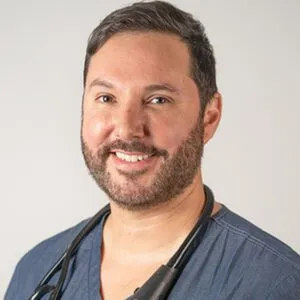
If you are reading this because detox feels terrifying, that reaction makes sense. The unknown is heavy. The fear of judgment can feel even heavier. Many people searching for drug rehab near me are not looking for inspiration; they are looking for clarity, safety, and a place that will answer the phone.
At RECO Health in Delray Beach, detox starts with stabilization, not pressure. That matters. A good South Florida detox setting should help you breathe, assess risk, and understand what comes next without making you feel rushed. If you need a calmer picture of the process, our medical detox process is a useful place to start.
What people worry about before detox in Delray Beach and what actually happens first
Why a South Florida detox bed feels scarier online than it does after intake
The phrase Delray Beach rehab can trigger a lot of emotion. For many people, it brings up shame, fear, or the memory of a bad prior experience. Online, detox can look cold and clinical. In real life, the first hour is usually about basic comfort, safety, and honest conversation.
One woman called after years of hiding prescription pill addiction. She expected interrogation. Instead, the conversation focused on sleep, blood pressure, and what she had taken last. That shift matters. Once the facts are clear, fear often drops a few notches.
Delray Beach also has a distinct recovery atmosphere. You feel the coastal pace, the Atlantic Avenue energy, and the pull of a real Delray Beach recovery community. That local context can help people feel less isolated. It can also make treatment feel more human and less sterile.
The intake process for RECO Health detox at 140 NE 4th Avenue Delray Beach FL 33483
The intake process should be straightforward, even if your mind feels anything but. At RECO Health’s Delray Beach location, the team typically begins by asking about substances used, current symptoms, medical history, and mental health concerns. They also ask practical questions about eating, sleeping, and whether you have a safe ride. Those basics help the team decide what level of support fits.
If you want a fuller overview before you call, RECO Health admissions and intake at the Delray Beach location explains the process well. The goal is not to overwhelm you with forms. The goal is to understand what your body and mind need right now. That is especially important when co-occurring disorders are part of the picture.
A family member once described the intake like “finally getting a map.” That is a fair description. People often arrive tired, guarded, and embarrassed. A calm intake can change the tone of the whole experience.
How insurance verification, out-of-network benefits, and self-pay options are usually reviewed
Money worries are one of the biggest reasons people delay treatment. That delay can be costly. Before detox begins, the admissions team usually reviews insurance verification, out-of-network benefits, and self-pay options. The point is to reduce guesswork before the clinical work starts.
If you are comparing plans, insurance verification and self-pay options for rehab in Florida can help you understand the basic questions to ask. Some plans cover more than people expect. Others require careful review of deductibles, authorizations, or out-of-network terms. That is why early benefit checks matter.
Here is the part most families miss: a coverage conversation is not the same as a treatment decision. It is only one piece. The right level of care should still be based on symptoms, safety, and clinical need.
What signs of addiction make detox more urgent than waiting another week
Some situations cannot wait. If you are seeing blackouts, morning drinking, repeated relapse, shaking, vomiting, or using more to feel normal, detox may be urgent. The same is true if you are mixing substances or hiding use from everyone around you. These are common signs of addiction that suggest risk is rising.
If you need a clearer list, signs of addiction that may mean detox is needed now lays it out in plain language. In practice, urgency often shows up as fear of stopping, not just heavy use. That fear can reflect physical dependence. It can also reflect mental health pain underneath the substance use.
A man in his thirties once said he kept promising himself one more weekend. Then he started missing work and shaking before lunch. That is the kind of pattern that tells you waiting may not be wise.
Why alcohol withdrawal, opioid withdrawal, and benzodiazepine withdrawal are handled differently
Detox is not one-size-fits-all. Alcohol withdrawal can become medically dangerous, especially if someone has a history of seizures or delirium. Opioid withdrawal is usually not life-threatening in the same way, but it can be intense enough to drive immediate relapse. Benzodiazepine withdrawal can be especially serious and often needs close medical oversight.
That is why RECO Health treats each case differently. If alcohol is the issue, the plan may look different than it does for heroin recovery, fentanyl treatment, or benzodiazepine withdrawal support. If you want a focused look at one substance, alcohol withdrawal and alcoholism treatment center care gives useful context. The same principle applies to opioid and sedative detox.
The clinical sequence behind RECO Health detox and why stabilization comes before anything else
How licensed clinicians assess medical risk, mental health, and co-occurring disorders
The first clinical job is risk assessment. Licensed clinicians look at vitals, withdrawal symptoms, medication history, and mental health concerns. They also screen for dual-diagnosis needs, because addiction rarely shows up alone. Depression, panic, PTSD, bipolar symptoms, and trauma histories can all affect detox.
That is where a dual diagnosis treatment lens becomes essential. NIDA and SAMHSA both support treating substance use and mental health together when both are present. If you have been searching for depression and addiction, anxiety treatment, or bipolar disorder therapy, that connection matters. Detox should not ignore it.
If you need a deeper explanation, dual diagnosis treatment for co-occurring disorders in Florida helps clarify the model. A good program does not treat you like a checklist. It treats you like a person with linked needs.
Where medication-assisted treatment may fit with Suboxone maintenance or Vivitrol injections
For some people, medication-assisted treatment is part of stabilization. That may include Suboxone maintenance for opioid dependence or Vivitrol injections after opioid or alcohol stabilization, when clinically appropriate. These are FDA-approved tools, not shortcuts. They are used to reduce cravings and support recovery planning.
Medication is not the whole story. It works best alongside therapy, monitoring, and relapse prevention skills. For someone facing opioid rehab Delray concerns, that distinction matters. The medication is support. The real work is still recovery work.
If you are asking what role medication may play, the answer depends on your history, current symptoms, and physician guidance. No two detox plans should look identical. That is a sign of thoughtful care, not inconsistency.
How cocaine detox Florida and fentanyl treatment are approached with safety in mind
Cocaine detox Florida cases can look different from opioid cases. People often arrive exhausted, anxious, depressed, or emotionally flattened after stimulant use. The immediate danger is not always the drug alone. It is the crash, the impulsivity, and the mental health strain that can follow.
Fentanyl is more complicated. It changes tolerance quickly and can make withdrawal and relapse risk much higher. That is why fentanyl treatment and opioid recovery in Delray Beach deserves careful planning, not guesswork. The team should monitor symptoms closely and adjust the plan with safety in mind.
One client in South Florida came in after repeated fentanyl exposure and a failed outpatient attempt. What helped was not a dramatic speech. It was a slower, steadier plan that matched the level of risk. That is what good detox should do.
What to expect from monitoring, rest, hydration, and symptom support during the early phase
Early detox usually looks plain on the surface. That is a good thing. People need monitoring, rest, hydration, and symptom support before they need big talk therapy. Sleep may be poor at first. Appetite may be off. Anxiety may spike and fade in waves.
The clinical team may check vitals often and respond to nausea, sweating, tremors, pain, or agitation. Hydration and nutrition become part of care, not side notes. The aim is to help the body settle enough for thinking to improve. That is the foundation for everything else.
If you want to understand the broader model, how RECO Health supports Delray Beach detox in 2026 provides a helpful overview. Stabilization comes first because nothing else lands well when your body is still in crisis.
Why trauma therapy South Florida is often discussed even when a person comes in for substance use
Many people assume detox is only about substances. It is not. Trauma, grief, shame, and chronic stress often sit underneath the use. That is why trauma therapy South Florida comes up early, even if therapy is not the first service you receive.
If you have PTSD treatment needs, that should be named sooner rather than later. So should unresolved trauma concerns, especially when substance use has become a way to numb. Later care may include EMDR, CBT, or DBT, depending on the clinical picture. Those therapies have evidence behind them.
Here is a simple truth: people often use substances to manage pain they could not put into words. Treatment should respect that. It should not reduce you to the symptom.
What daily life can feel like inside a Delray Beach residential treatment setting after detox
How a residential treatment facility differs from a partial hospitalization program and intensive outpatient care
After detox, the next level of care matters. A residential treatment facility offers more structure and support than a partial hospitalization program or intensive outpatient care. In residential treatment, daily life is more contained. In PHP and IOP, you have more freedom and more responsibility. 
If you are comparing levels, what is PHP versus IOP in Palm Beach County treatment can help. The right choice depends on stability, relapse risk, and home environment. Someone with severe cravings may need more structure. Someone with stronger support at home may do well stepping down sooner.
Think of it as matching the setting to the risk. That is the clinical logic. It is also the practical logic families need.
When PHP makes sense versus an outpatient program Delray Beach or mental health IOP
A partial hospitalization program can fit when someone still needs daily support but no longer needs around-the-clock residential care. An outpatient program Delray Beach may fit later, when the person can manage more independence. A mental health IOP can be especially helpful when depression, anxiety, or trauma symptoms still need consistent treatment.
The level of care should follow the symptoms, not the label. If you are weighing inpatient rehab Palm Beach County against outpatient options, safety is the deciding factor. Someone with severe withdrawal history, unstable housing, or high relapse risk may need more care. Someone with strong family support may step down faster.
A clear comparison helps:
Level of careMain focusTypical fitResidential treatment24-hour structure and stabilityHigh risk or early post-detoxPHPDay treatment with strong clinical supportOngoing symptoms, less medical riskIOPFlexible therapy with real-world practiceMore stability, need for routine support### How group therapy activities, family therapy, and case management shape the week
Recovery is rarely built in isolation. Group therapy activities help people practice honesty, listening, and accountability. Family therapy helps repair confusion, distrust, and old patterns. Case management keeps the practical pieces moving, like follow-up care, housing, and coordination with providers.
If family support is part of the picture, family therapy activities during recovery at RECO Health is worth reviewing. Families often want to help but do not know how. Structured sessions give them a place to learn without guessing. That reduces chaos.
People often underestimate how much practical support matters. A strong plan for transportation, appointments, and aftercare can lower relapse risk. Small things matter when you are rebuilding.
Where CBT, DBT, EMDR trauma therapy, and mindfulness meditation usually fit
Therapy after detox should be specific. Cognitive behavioral therapy helps people notice the thoughts that drive use. Dialectical behavior therapy teaches distress tolerance, emotion regulation, and interpersonal skills. EMDR trauma therapy can help process trauma memories when clinically appropriate. Mindfulness meditation adds a way to notice urges without immediately acting on them.
If trauma and mood symptoms are part of your story, EMDR trauma therapy for depression and addiction in South Florida may give you a clearer sense of fit. These approaches are evidence-based, but they are not magic. They take repetition. They work best when the person is willing to practice between sessions.
Here is what almost no online guide mentions: people often feel awkward in therapy before they feel relief. That is normal. Skill-building can feel slow before it feels useful.
How nutritional counseling, life skills training, and sober living resources support long-term recovery
Detox strips away a lot. It can leave people depleted, foggy, and unsure how to rebuild routine. That is why nutritional counseling, life skills training, and sober living resources matter so much after the first acute phase. They help recovery become livable.
Some people also benefit from 12-step alternatives like SMART Recovery. Others prefer traditional peer support. Good programs do not force a single track. They help you find what keeps you steady. That is part of holistic recovery, but in practical terms.
The goal is long-term recovery, not just a clean discharge. Skills, housing, food, sleep, and structure all support that goal. If one piece is missing, the whole plan can wobble.
The decision that matters after detox and how families can use RECO Health as a next move
How aftercare planning, relapse prevention, and coping skills protect early gains
The period after detox is vulnerable. Cravings can rise. Emotions can return. Old contacts can reappear. That is why aftercare planning, relapse prevention, and coping skills need to start early, not after discharge.
A strong plan may include therapy frequency, medication follow-up, housing, peer support, and warning signs to watch. It may also include a structured step-down into continuum of care, though the clinical plan should come first. You are building a bridge, not chasing perfection.
The biggest mistake we see is waiting until discharge day to think about discharge. That leaves too many gaps. Gaps are where relapse often slips in.
What a family should know about alumni program support, intervention services, and family weekend
Families often need structure too. Alumni program support can help people stay connected after formal treatment ends. Intervention services can help a family have a difficult conversation with more clarity and less conflict. Family weekend can give everyone a chance to reset expectations and hear the clinical plan.
If you want to see how family work is often organized, family therapy activities during recovery at RECO Health is a good companion read. Family involvement can support recovery, but it should not become surveillance. The goal is healthy support with clear boundaries.
I have seen families move from panic to teamwork once they understand the process. That change is powerful. It does not solve everything, but it changes the room.
How to choose a rehab when looking at Delray Beach rehab, Florida addiction treatment, or inpatient rehab Palm Beach County
Choosing treatment can feel impossible when you are overwhelmed. Start with the basics. Look for evidence-based treatment, licensed clinicians, and a real plan for mental health. If you are comparing Delray Beach rehab, Florida addiction treatment, or inpatient rehab Palm Beach County, ask how they handle detox, dual diagnosis, and step-down care.
Use these questions:
- Do they explain the level of care clearly?
- Do they review insurance and self-pay options upfront?
- Do they address co-occurring mental health concerns?
- Do they offer aftercare and housing support?
- Do they have a plan for withdrawal safety?
If you want help with coverage, out-of-network benefits for Palm Beach rehab and treatment costs can help frame the conversation. The best program is the one that fits your needs, not the one with the slickest pitch.
What makes beachside recovery in the Delray Beach recovery community feel different from a generic program
Location changes the feel of care. In Delray Beach, the coastal setting can lower the sense of confinement. That does not replace treatment. It simply softens the edges. For many people, being near the beach, the local recovery community, and quieter stretches away from the busier parts of town helps them settle.
A private rehab can also feel different from a large, impersonal system. The setting matters, but so does the tone. People notice whether staff speak with dignity. They notice whether questions feel rushed or thoughtful. They notice whether the program feels built for real people.
RECO Health was built around that kind of intentional care. If you are looking for South Florida recovery support, the blend of structure and coastal calm may matter more than you expect. Healing is easier to practice in a place that feels safe.
When to call about insurance verification, dual diagnosis treatment, and the best level of care for the next phase
Call when you are still unsure. Call when the plan feels too big. Call if you suspect dual diagnosis treatment needs, or if you are trying to choose between detox, residential care, PHP, or IOP. The admissions team can help sort through the next clinically appropriate step.
If you are comparing benefits, insurance verification and self-pay options for rehab in Florida is a practical resource. If you need a place to review the overall process again, what people ask about RECO Health admission and intake is a smart follow-up. You do not need to solve every piece tonight.
Start with one conversation. Bring the questions you already have. Leave the rest for the team to help organize.
Frequently Asked Questions
How long does detox last at a Delray Beach rehab?
Detox length depends on the substance, dose, health history, and withdrawal severity. Alcohol, opioids, and benzodiazepines often follow different timelines. Some people need a few days of monitoring, while others need longer stabilization. The safer answer is always individualized because the medical risk changes from person to person.
Does RECO Health take my insurance?
That depends on your plan and whether the benefit is in-network or out-of-network. The admissions team can usually review coverage, deductibles, and authorization needs. If insurance does not cover everything, self-pay or other financial options may still be available. A benefit check is the best place to start.
What is the difference between PHP and IOP?
A partial hospitalization program, or PHP, offers more structure and more treatment hours than an intensive outpatient program, or IOP. PHP often fits people who still need strong support after detox. IOP usually fits people who are more stable and can manage more daily independence. The right level depends on relapse risk, symptoms, and home support.
Can I bring my phone to treatment?
Policies vary by program and level of care. Many facilities limit phone use early in treatment so people can focus on stabilization and group work. Others allow limited access based on clinical need and phase of care. The admissions team can explain the current policy before arrival.
Is family involved in the program?
Family involvement is often helpful, especially when trust has been strained. Programs may offer family therapy, education, or family weekend activities. The exact schedule depends on the setting and the clinical plan. Healthy family participation can improve communication and support after discharge.
What if I need help for depression but not addiction?
That still matters. Depression, anxiety, PTSD, and bipolar symptoms deserve treatment on their own, even when substance use is not the main issue. A good assessment can clarify whether a mental health program, dual diagnosis care, or another level of support fits best. If the symptoms include substance use too, both should be addressed together.