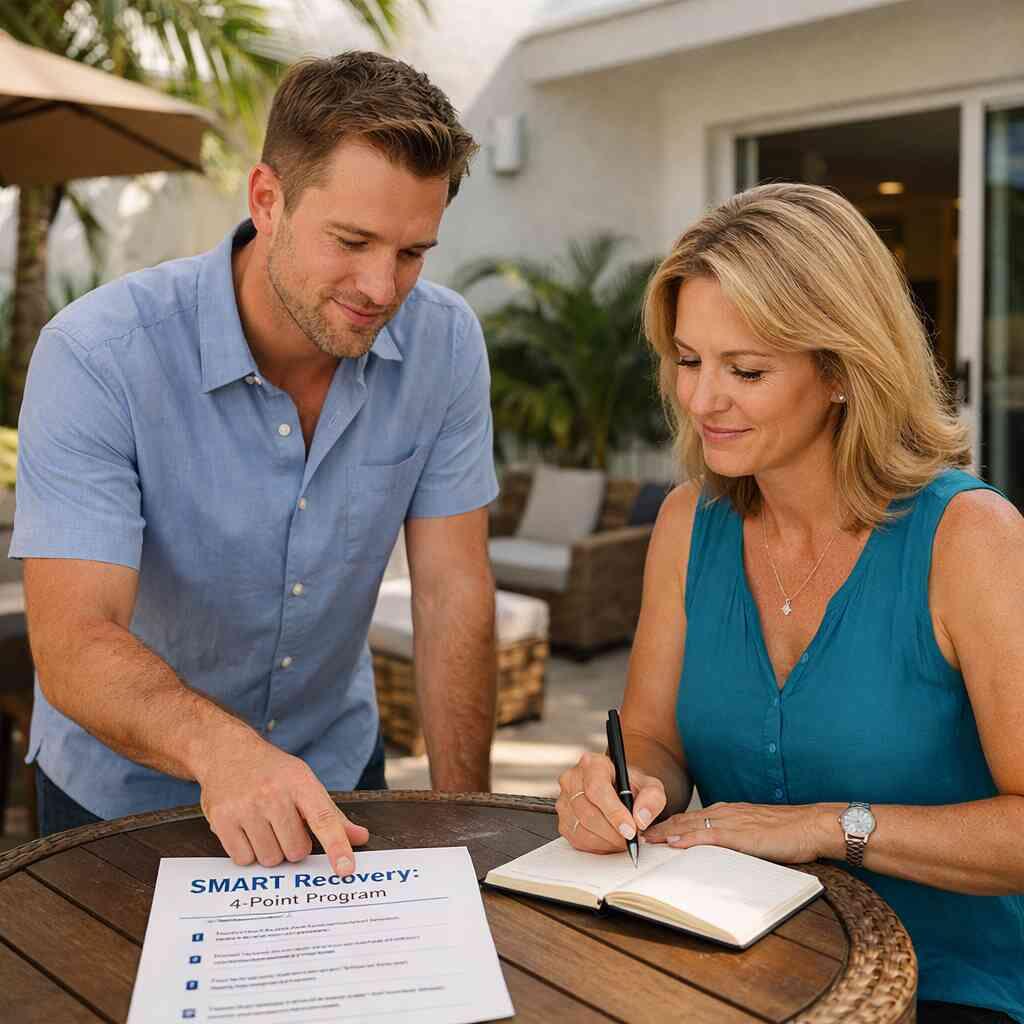
How to Use SMART Recovery After RECO Intensive Rehab
You may be leaving residential care with a strange mix of relief and dread. That feeling is common. The structure helped, and now the calendar looks wide open. If you are wondering how to hold onto progress without living by someone else’s script, SMART Recovery can help. Why SMART Recovery can feel like the missing […]

You may be leaving residential care with a strange mix of relief and dread. That feeling is common. The structure helped, and now the calendar looks wide open. If you are wondering how to hold onto progress without living by someone else’s script, SMART Recovery can help.
Why SMART Recovery can feel like the missing piece after residential care
What changes when RECO Intensive ends and daily life starts calling again
At RECO Intensive, your day has a rhythm. Groups, meals, check-ins, and clinical support shape the hours. Then real life returns with traffic, work stress, family text chains, and old triggers. That shift can feel sharp, even in a supportive place like Delray Beach.
Here is the part most people miss. Structure is not just comforting; it is protective. When structure drops, cravings, mood swings, and doubt can get louder. SMART Recovery after rehab gives you a repeatable way to respond instead of react.
One man we worked with in the South Florida recovery community said his hardest moment was not discharge day. It was the third quiet evening at home. The house was clean, the fridge was full, and he still felt pulled toward old habits. He did better once he treated recovery like a daily skill set, not a feeling.
Why 12-step alternatives matter for people who want structure without a fixed script
Not everyone connects with a 12-step format. Some people want peer support, but they do not want a fixed script or spiritual language. That does not mean they are resisting help. It means they need a mutual support alternative that fits how they learn.
SMART Recovery uses self-management tools, not shame. It asks you to notice thoughts, test beliefs, and practice new responses. That approach lines up well with cognitive behavioral therapy and dialectical behavior therapy. It also supports people who want evidence-based treatment without forcing one recovery style on everyone.
For many people, that flexibility matters after residential treatment. You may still want meetings, accountability, and honest check-ins. You may also want room to choose the language that feels real to you. That balance can keep you engaged longer.
The recovery gaps that show up in Delray Beach once group time is no longer built in
Delray Beach has a strong recovery community, but community alone does not replace a plan. Once group time is no longer built in, gaps appear fast. Meals get skipped. Sleep slips. You tell yourself you will go to a meeting tomorrow, then tomorrow gets crowded.
The mistake we see most often is waiting until a crisis to rebuild support. That is especially risky after Florida addiction treatment for alcohol, opioids, or cocaine. Early recovery needs repetition. It needs reminders. It needs a backup plan for the days when motivation runs low.
SMART Recovery can fill those gaps with practical tools and peer support. It helps you track triggers, cravings, and high-risk thoughts. It also gives you a place to practice before life gets messy. That is why it often works well alongside aftercare planning for long-term recovery.
How SMART Recovery fits with relapse prevention, coping skills, and long-term recovery support
SMART Recovery is not a replacement for care when you need more support. It is one piece of a larger plan. Used well, it supports relapse prevention and coping skills for recovery. It also helps you keep long-term recovery support active after discharge.
Think of it this way: treatment teaches the language. SMART Recovery helps you use it at the grocery store, in traffic, and during a bad phone call. That is where recovery maintenance plan work really happens.
A strong plan often includes:
- Meeting with a SMART Recovery group weekly
- Practicing trigger management in writing
- Using coping skills before urges grow
- Reaching out to sober peers early
- Updating aftercare support when life changes
That kind of structure can matter even more for people with dual diagnosis treatment for depression and anxiety needs. Depression and addiction, anxiety treatment, PTSD treatment, and bipolar disorder therapy all affect follow-through. SMART Recovery gives you a framework to keep working, even when feelings are heavy.
The habits that make SMART Recovery work in real life, not just on paper
How to use the four-point method to handle cravings, triggers, and shaky moods
SMART Recovery’s four-point method is simple to say and hard to fake. You learn to build motivation, manage urges, handle thoughts, and live a balanced life. That simplicity is useful when your mind feels crowded. It also works well for trigger management and craving management.
Start by naming the urge, not arguing with it. Then ask what set it off. Did hunger, loneliness, anger, or stress show up first? Once you know the pattern, you can choose a response instead of falling into autopilot.
A few practical moves help:
- Delay action for ten minutes.
- Drink water and eat something small.
- Write the trigger in plain words.
- Text one sober contact.
- Return to the plan, not the feeling.
That is not magic. It is repetition. Still, repetition is what makes a coping skill stick.
Turning CBT, DBT, and mindfulness meditation into a simple daily recovery routine
SMART Recovery fits naturally with cognitive behavioral therapy. CBT helps you spot distorted thoughts, like “I already messed up, so the day is ruined.” DBT adds emotional regulation skills and distress tolerance. Mindfulness meditation helps you notice a craving without obeying it.
You do not need a perfect routine. You need a usable one. Try five minutes of breathing before work, a written thought check at lunch, and a short meeting after dinner. That can be enough to keep you grounded on difficult days.
In the recovery work we see most often in South Florida, small habits win. A short walk near the Intracoastal. A journal note before bed. A pause before answering a text that stirs old habits. Those tiny actions may look minor, but they protect larger goals.
What to do when dual diagnosis symptoms like depression, addiction, or anxiety flare at the same time
Dual diagnosis means a substance use disorder and a mental health condition occur together. That can include depression and addiction, anxiety, PTSD, or bipolar disorder. The co-occurring disorders model matters because both sides affect the other. NIDA and SAMHSA both support integrated care for that reason.
When symptoms flare together, do not treat it like a character flaw. Treat it like a care issue. If anxiety spikes, your craving risk may rise too. If depression deepens, your follow-through may drop. That is the moment to use your plan, not judge yourself.
If you notice worsening symptoms, reach for clinical support early. A mental health IOP, therapy appointment, or medication review may be appropriate. Some people benefit from trauma therapy South Florida programs that use EMDR trauma therapy, CBT, or DBT together. Others need a medication check, especially after cocaine detox Florida or opioid rehab Delray care.
How to build accountability through meeting with a SMART Recovery group and a sober network in South Florida
Accountability works best when it is specific. “I should stay sober” is too vague. “I will attend one SMART meeting on Tuesday and text two peers afterward” is better. Clear actions lower the chance that stress wins. 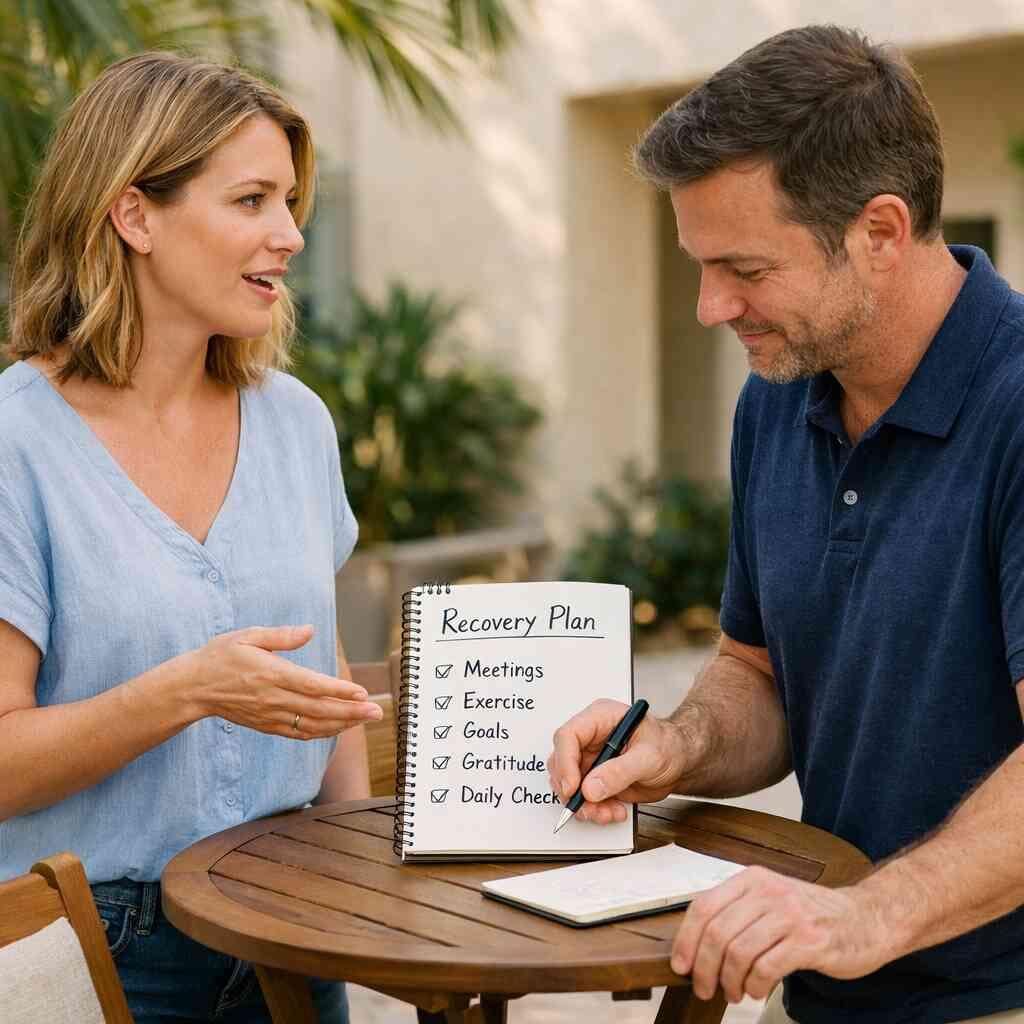
South Florida has many peer support options, but the point is not collecting options. The point is building a sober network that knows your warning signs. That network may include a sponsor-like mentor, a clinician, a family member, or an alumni contact. It should also include people who understand recovery without turning every conversation into a lecture.
A client once told us the first month felt easier after he joined a small weekly group in Palm Beach County. Nothing dramatic happened. He simply stopped disappearing into his own head. That is often how progress looks in real life.
“I feel like RECO treatment is one of the best in Florida. I have been to several treatment centers and RECO is definitely better in almost every area. I can honesty say all the employees genuinely care. They go out of their way to help us navigate through early recovery The group facilitators are the best I’ve seen in treatment. Ms Engrid, Ms V and Rabbi Mark are unbelievable. Rabbi really breaks down the science behind the disease while Ms Engrid keeps it real with us and is always reminding us that we can make it. She really brings a lot of good energy around the NA program. Ms V comes in and she a wonderful therapist who really understands things from the family side. She really helps me understand what our families are going through. Hands down, RECO has the best group facilitators I’ve ever seen . I know of some peers that feel the same way
Brock really does a great job with the alumni department. As I am writing this, I am at a talent show put on by RECO. There are around 75 people here all having a great time sober. The entire event was put on well. Clients/ alumni made dishes and everyone is enjoying dinner while watching some amazing talent. I’m including pics from tonight. While going through some of my own struggles, I could really feel RECO’s support throughout the community. Brock was in contact with me on a daily basis just letting me know RECO was there for me. The support was overwhelming.
Led by Carly, The behavioral techs are fantastic. We spend a lot of time with the techs as they are always hanging with us at our houses outside of groups. They genuinely love their jobs and you can see it. The techs are fantastic in letting us know they are here for us and they show support in any way they can even if it’s just to listen to us vent about something we are struggling with. Brandon, Becky, Carlos and Brian especially go out of their way to help things go smoothly.
On the therapy side, they are also great. The clinical director, David, has been doing this a long time and he gets exactly what we are going through. You can see how passionate he is about his work when he runs group. There is a healthy balance with the entire team and I can see how much time they spend discussing clients. They know everything about us and I feel like that really helps us build a healthy relationship with our therapist. The medical staff is also great. Led by Kathaleen, the entire staff is always on point. Viviana, Kathaleen’s right hand lady, works her tail off making sure everything runs smoothly on the medical side.”- Buck F., a 5 star review from RECO Health on Google Business Reviews
Where family therapy, case management, and life skills training fit when the plan starts to wobble
Recovery gets harder when practical life gets shaky. Bills stack up. Transportation breaks down. Sleep falls apart. That is where family therapy, case management, and life skills training can matter as much as insight.
Family therapy helps the people around you respond differently. It can reduce blame and confusion. Case management helps with referrals, housing, and follow-through. Life skills training supports routines like budgeting, meal planning, and job readiness. Those are not extras. They are relapse prevention tools.
If family tension is part of the picture, consider group therapy and family therapy support. The best family work is clear, calm, and behavior-focused. It teaches everyone what helps and what harms. That kind of clarity can steady the whole home.
When the next level of support should become the next move
How to decide between outpatient program Delray Beach care, intensive outpatient, mental health IOP, PHP, or sober living resources
This is the question many people ask after treatment: how much support is enough? The answer depends on risk, stability, and symptoms. If you are struggling with cravings, sleep, mood, or structure, a step-down level may help. If you need more daily support, PHP or residential treatment facility options may be more appropriate.
Here is a simple comparison:
Level of supportBest forWhat it usually emphasizesOutpatient program Delray BeachStable people needing flexibilityWeekly therapy, accountability, and skillsIntensive outpatientPeople needing several touchpoints weeklyGroup therapy activities, relapse prevention, and structureMental health IOPCo-occurring disorders and symptom flare-upsTherapy for mood, anxiety, and copingPHPHigher support without overnight careMore hours, close monitoring, and clinical stabilitySober living resourcesTransition and accountabilityHousing, routine, and peer supportIf you want a deeper comparison, partial hospitalization versus intensive outpatient in Palm Beach County is worth reading. The right level of care should match your current need, not your ideal version of yourself.
Why alumni support, aftercare planning, and RECO Intensive alumni connections can steady the months after discharge
Aftercare planning works best when it starts before discharge, not after a scare. That plan should include meetings, therapy, emergency contacts, and next-step care. It should also include realistic scheduling. Recovery falls apart fast when the plan is too ambitious.
RECO Intensive alumni support can help keep the transition steady. Alumni connection gives you a bridge between structured treatment and ordinary life. It can also reduce the isolation that sometimes shows up after residential care. That continuity matters in a place with a busy rhythm like Atlantic Avenue and a strong local recovery scene.
If you are comparing options, alumni support and recovery community in Delray Beach can show you how continuing care often works. A good alumni program does not pressure you. It reminds you what works, then helps you keep doing it.
How medication-assisted treatment, Suboxone maintenance, or Vivitrol injections may support opioid recovery when clinically appropriate
For opioid recovery, medication-assisted treatment can be a critical support. Suboxone maintenance and Vivitrol injections are FDA-approved options that may help reduce cravings or block opioid effects when clinically appropriate. These medications are not shortcuts. They are tools, used with therapy and monitoring.
This matters for heroin recovery, fentanyl treatment, and prescription pill addiction. It can also matter after benzodiazepine withdrawal support, though benzos require a different medical plan. Medication decisions should always be made with licensed clinicians who know your full history. That includes trauma, liver health, relapse risk, and other medications.
If you are considering this path, medication-assisted treatment for opioid recovery can clarify what the process involves. The goal is not to replace recovery work. The goal is to give recovery a better chance to hold.
What a strong recovery maintenance plan looks like for men’s recovery, women’s rehab, young adult rehab, and LGBTQ+ affirmative treatment
A maintenance plan should fit the person, not just the diagnosis. Men’s recovery often benefits from practical structure and peer accountability. Women’s rehab may need trauma-aware support, parenting realities, and safety planning. Young adult rehab can require school, work, and identity support.
LGBTQ+ affirmative treatment should address belonging, not just behavior. Veterans addiction help may need trauma, service culture, and sleep concerns to be part of the plan. The point is simple: recovery sticks better when people feel seen correctly.
A good maintenance plan often includes:
- Ongoing therapy
- SMART Recovery meetings
- Case management or coaching
- Housing support if needed
- Healthy routines and sleep
- A backup plan for relapse risk
That plan should be flexible. Life changes. The plan should change too.
How to use insurance verification, private rehab options, and the Delray Beach recovery community to keep momentum without losing ground
Insurance concerns stop many people from getting help. That stress is real. If you need help sorting Aetna, Cigna, Blue Cross Blue Shield, out-of-network benefits, or self-pay options, start with insurance verification. Clear information reduces delay, and delay can raise risk.
Private rehab can offer more flexibility, but the right fit matters more than the label. Ask about DCF licensed care, Joint Commission accreditation, and whether the program supports trauma therapy South Florida residents can use long term. Also ask about housing, alumni care, and discharge planning. Those details tell you more than a polished brochure.
If you want to compare levels of support, intensive outpatient care in Delray Beach can be a useful place to start. The best outcome is not choosing the “best” program on paper. It is choosing the one you will actually use when stress hits.
You do not have to solve everything today. Pick one SMART Recovery meeting, one support person, and one aftercare task before tonight ends. Then keep the next step small enough to do well.
Frequently Asked Questions
How long does detox last at a Delray Beach rehab?
Detox length depends on the substance, how long you used it, and your medical history. Alcohol and opioid withdrawal can progress differently. Some people need only a few days of monitoring, while others need longer. A clinical assessment is the safest way to estimate your needs. If you are worried about withdrawal, medical supervision matters more than speed.
Does RECO Intensive take my insurance?
Insurance coverage changes by plan, network status, and level of care. The safest move is insurance verification before admission. Ask about in-network, out-of-network, and self-pay options. A treatment team can usually help you review benefits and next steps without pressure.
What’s the difference between PHP and IOP?
PHP, or partial hospitalization, usually offers more weekly treatment hours and more structure. IOP, or intensive outpatient, gives you strong support with more flexibility for work, school, or family duties. The right choice depends on symptom severity, safety, and daily stability. A clinician should help match the level of care to your current needs.
Can I bring my phone to treatment?
Policies vary by program and level of care. Some programs limit phone use at first to support focus and reduce outside stress. Others allow more access with clear boundaries. Ask about the current intake process and device policy before arrival so there are no surprises.
Is family involved in the program?
Family involvement often helps, especially when communication or boundaries need repair. Some programs use family therapy, education, or weekend sessions. Others offer more limited contact, depending on clinical need. Family support should be guided by safety, consent, and your treatment plan.
What if I need help for depression but not addiction?
You may still benefit from a mental health assessment. Depression, anxiety, PTSD, and bipolar disorder can exist with or without substance use. If substance use is part of the picture, dual diagnosis care may be helpful. If not, a mental health IOP or outpatient therapy may fit better.