
Top 5 Coping Skills Taught in Trauma Therapy South Florida
If you are reading this because panic keeps hitting at the worst times, take a breath. That racing chest, the tight jaw, and the sudden urge to leave the room can feel terrifying. They also make sense in trauma recovery. At RECO Health in Delray Beach, people often ask for relief before they can even […]
If you are reading this because panic keeps hitting at the worst times, take a breath. That racing chest, the tight jaw, and the sudden urge to leave the room can feel terrifying. They also make sense in trauma recovery. At RECO Health in Delray Beach, people often ask for relief before they can even name what hurts. That is where coping skills matter most.
Trauma therapy South Florida is not just about talking. It is about giving your body and mind tools that work in real life, not just in session. In a coastal place like Delray Beach, where traffic on Atlantic Avenue, family stress, and recovery pressures can stack up fast, skills need to be practical. The goal is simple: help you stay steady long enough to think clearly, ask for help, and keep moving.
1) Grounding Skills That Stop the Spiral Before It Takes Over
Why trauma can push the body into panic even when the mind knows it is safe
Trauma can make your nervous system act as if danger is still present. You may know you are safe in a chair, yet your body keeps sounding the alarm. That split between logic and reaction is common in PTSD treatment. It can also show up in depression and addiction, where stress feeds cravings and avoidance. Grounding skills help bridge that gap.
Here is the part most people miss. Grounding is not about forcing calm. It is about giving the brain a current signal that belongs to the present. That matters in coping skills for trauma recovery in South Florida, because early stabilization often starts with simple, repeatable tools. In South Florida recovery settings, licensed clinicians often teach grounding before deeper trauma work begins.
How grounding works in South Florida trauma therapy and why it is taught early
Grounding works by redirecting attention outward or into body facts. You may name five things you see, press your feet into the floor, or hold something cold. These steps can reduce dissociation, flashbacks, and sudden anxiety. They also fit well inside grounding techniques for anxiety and flashbacks. The technique is plain, but the effect can be powerful.
On the treatment plans we see most often in Delray Beach rehab settings, grounding is taught early because it is usable on hard days. It can help during intake, during group therapy, or while waiting for a session at a partial hospitalization program. One client from a neighborhood east of I-95 described feeling “far away” after a family argument. A five-sense exercise and paced breathing helped them stay in the room long enough to talk through what happened.
The most useful sensory grounding drills for flashbacks, dissociation, and sudden anxiety
The best grounding drills are simple and specific. They work best when practiced before a crisis. Try these:
- Name five objects with color.
- Hold ice or a cold can.
- Count backward by sevens.
- Describe the room out loud.
- Press your hands together for ten seconds.
These are not tricks. They are nervous system regulation tools. They pair well with trauma-informed care and PTSD treatment in Delray Beach and can be reinforced in EMDR trauma therapy in South Florida. If you tend to dissociate, sensory grounding can pull you back into your body without overwhelming you.
How grounding changes inside real settings like group therapy, PHP, and mental health IOP
Grounding looks different in real care settings than it does on a worksheet. In group therapy activities, you might be asked to notice your breathing before speaking. In a mental health IOP, you may practice a reset between hard topics. In PHP, grounding often becomes part of the rhythm of the day. That rhythm matters because predictability helps the brain settle.
At RECO Health, grounding also supports intensive outpatient and partial hospitalization care in Delray Beach. Those levels of care let you practice skills while still living your life. That matters for people balancing work, family, or early recovery stress near the beachside recovery environment. Skills grow stronger when you use them in real time.
When grounding is not enough and a higher level of care may be needed
Sometimes grounding alone cannot hold the moment. If you keep losing time, cannot sleep, or feel unsafe, more support may be needed. That could mean residential treatment, a partial hospitalization program, or medical detox. It may also mean a fuller evaluation for co-occurring disorders. The right level of care is not a failure. It is a better fit.
If symptoms keep pushing you toward relapse, seek help quickly. That is especially true if trauma connects with opioid rehab Delray concerns, fentanyl treatment, heroin recovery, or prescription pill addiction. A structured setting can restore stability faster than trying to white-knuckle through it. For some people, that starts with our medical detox process.
2) Emotional Regulation Skills That Keep Feelings from Running the Show
What emotional regulation means when trauma, depression and addiction, or bipolar disorder therapy are part of the picture
Emotional regulation means noticing feelings without getting carried away by them. It does not mean staying flat or pretending things do not hurt. In trauma therapy South Florida, this skill matters because emotions can rise fast and feel huge. It also matters in dual diagnosis treatment, where mood symptoms and substance use can feed each other. The goal is steadier responses, not perfect calm.
When depression and addiction overlap, emotions can feel dull one day and explosive the next. In bipolar disorder therapy, shifts may feel even more intense. Skills from cognitive behavioral therapy and dialectical behavior therapy help people slow the chain reaction. That is why emotional regulation skills in mental health treatment are taught so often. They are practical, teachable, and worth repeating.
The difference between feeling an emotion and acting on it right away
This part sounds simple. It is not always simple in practice. You can feel anger without sending the text. You can feel shame without isolating for three days. Emotional regulation creates room between feeling and action. That room can prevent a relapse, an argument, or a painful spiral.
A woman in early recovery once said she knew exactly when her panic started. Her hands went cold. Her shoulders locked. Instead of leaving treatment early, she used a pause skill and asked staff for support. That small decision changed the rest of her evening. Tiny pauses often make the biggest difference.
Skills clinicians often teach through CBT and DBT to slow down emotional swings
CBT and DBT give you tools that fit real life. CBT helps you challenge thoughts that are too extreme or too harsh. DBT helps you tolerate big feelings and choose wiser actions. Together, they support DBT and CBT coping tools for trauma care. They also help with anxiety treatment, PTSD treatment, and relapse prevention.
Useful skills often include:
- Thought checking
- Opposite action
- Naming the emotion
- Slow breathing
- Urge surfing
These tools are not magic. They require practice. Still, they help people in Florida addiction treatment settings manage stress without reaching for alcohol, pills, or withdrawal from others. That is especially important in Delray Beach rehab, where pressure can come from work, family, and the recovery community itself.
How to spot early body signals before a trauma reaction becomes a relapse risk
Your body usually warns you first. Tight chest. Fast speech. Shallow breathing. Jaw clenching. Restlessness. If you learn your own warning signs, you can act earlier. That is the whole point.
Here is what almost no online guide mentions: many relapse episodes start with body strain, not just bad choices. That is why evidence-based treatment pays close attention to the body. At RECO Health, dual diagnosis treatment for depression and addiction often includes this kind of tracking. It helps you see the moment before the spiral, not after it.
How emotional regulation supports dual diagnosis treatment and long term recovery
Dual diagnosis means treating mental health and substance use together. NIDA and SAMHSA both support integrated care for co-occurring disorders. That matters because symptoms often overlap. Anxiety can look like craving. Shame can look like avoidance. Mood swings can look like resistance. Integrated treatment helps sort that out.
Long-term recovery gets stronger when emotional regulation becomes routine. It supports sober living resources, outpatient program Delray Beach care, and aftercare planning. It also helps with RECO Intensive reviews from people who are looking for structure, though every person’s path is different. The aim is not instant change. It is durable change built through repetition and support.
3) Distress Tolerance Tools for the Moments You Cannot Fix Right Away
Why trauma recovery often requires surviving the moment before solving the problem
Some moments cannot be solved quickly. A painful call. A sudden memory. A holiday dinner. A wave of shame after a hard therapy session. Distress tolerance is about getting through that moment without making it worse. It is not surrender. It is strategy.
This skill matters because trauma can make urgency feel absolute. Yet many problems need time, not action. In distress tolerance skills in outpatient recovery programs, clinicians help people build the ability to wait without collapsing. That can make the difference between a rough night and a relapse. It also helps during residential treatment facility care, where feelings often rise before they settle.
The practical value of distress tolerance in outpatient program Delray Beach settings and residential treatment facility care
In an outpatient program Delray Beach patients may return home after treatment. That means they need tools for evenings, weekends, and triggers in the wild. In a residential treatment facility, distress tolerance helps people stay engaged during emotional work. Both settings require skill, not just insight. That is why practice matters so much.
A local client once described a night when sleep loss, family tension, and coastal storm anxiety hit at once. The urge to leave treatment and use again felt intense. Staff helped them use breathing, a cold towel, and a written coping plan. The urge passed. The night did not become the crisis they feared. That is the quiet power of distress tolerance.
Safe ways to ride out urges, grief, shame, and panic without making the night worse
Safe distress tolerance should never rely on self-punishment. Instead, use skills that lower intensity:
- Slow your breathing.
- Change your body temperature.
- Move for five to ten minutes.
- Call a support person.
- Delay any major decision.
These steps can help with alcoholism treatment center concerns, cocaine detox Florida stress, or benzodiazepine withdrawal anxiety. They also support fentanyl treatment and heroin recovery, where urges can feel physical and immediate. When the goal is simply to get through the night safely, simple skills are enough.
How to build a coping plan for triggers tied to family conflict, sleep loss, or South Florida stress
A coping plan works best when it is written before the trigger hits. Include your top three triggers, your warning signs, and three actions you can take fast. Family conflict often belongs on that list. So does sleep loss. So does the raw pressure of South Florida life, where heat, traffic, and overfull schedules can wear people down. 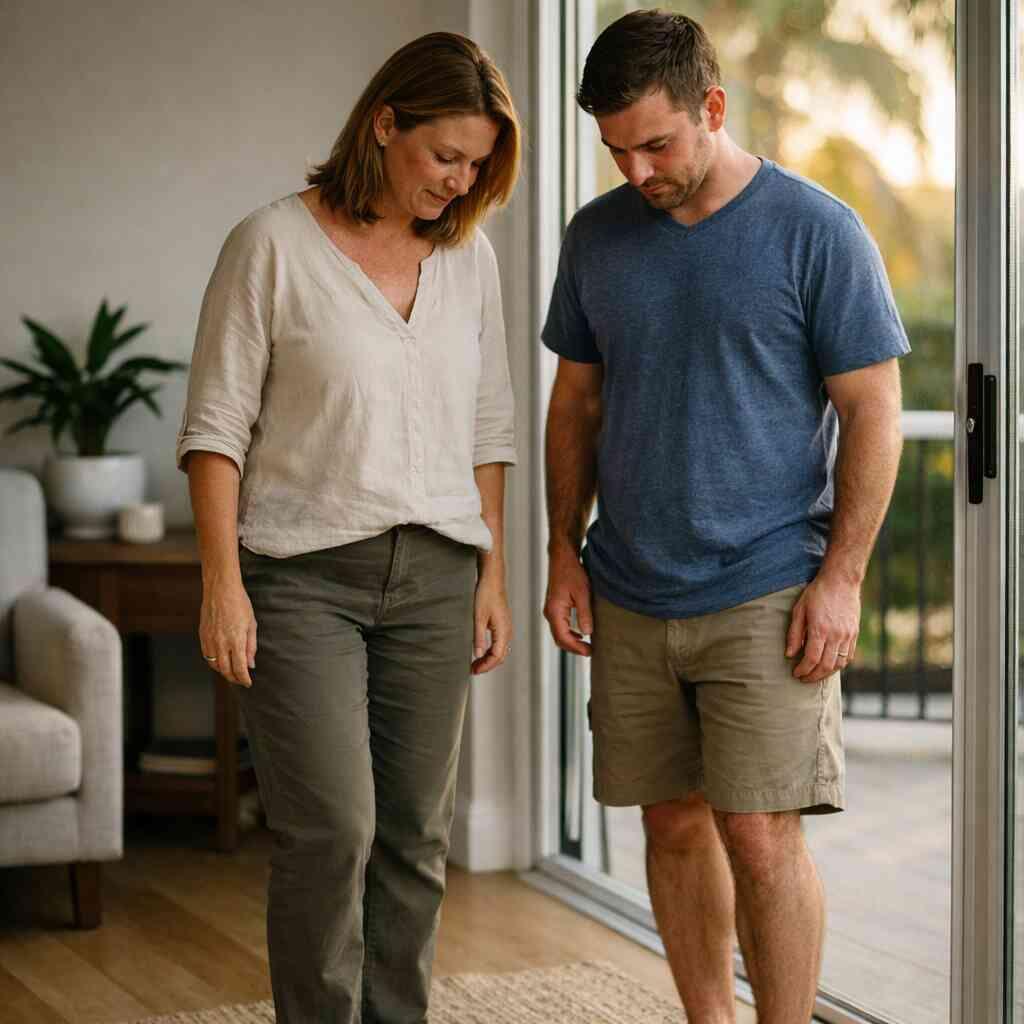
Your plan might include: – No hard talks after 8 p.m.
- No contact with one person when activated.
- One walk before making a call.
- A check-in text to support staff or a sponsor.
- A backup ride if you feel unsafe.
That kind of plan supports healthy boundaries and trigger management in recovery. It also works well with aftercare planning and relapse prevention in recovery. If needed, it can be adjusted as your recovery grows.
Where distress tolerance fits with aftercare planning and sober living resources
Aftercare is where distress tolerance proves itself. You are no longer in the cushion of full-time care. You are back in your routines, your neighborhood, your relationships. That can feel exposing. It can also be the place where skills become real.
People leaving treatment often do better when distress tolerance connects to sober living resources, case management, and alumni support. That is one reason continuing care matters so much. It keeps the skill set active when life gets messy. It also helps people keep using residential treatment and sober living resources near South Florida if they need more structure.
4) Self-Soothing Habits That Calm the Nervous System Without Numbing It
Why self-soothing is not the same as avoidance when trauma therapy South Florida is working well
Self-soothing is meant to calm, not erase. Avoidance says, “I cannot feel this.” Healthy self-soothing says, “I can steady myself while this passes.” That distinction matters in trauma therapy South Florida, because too much avoidance can keep wounds open. The skill is gentle support, not escape.
When self-soothing is working well, you feel more present afterward, not less. That is important for people in self-soothing strategies for nervous system regulation. If a habit leaves you foggy, disconnected, or more isolated, it may be avoidance in disguise. That is worth noticing early.
How breath work, mindfulness meditation, yoga therapy, and art therapy support nervous system regulation
Breath work slows the alarm system. Mindfulness meditation helps you observe without reacting. Yoga therapy adds movement and body awareness. Art therapy gives shape to feelings that do not yet have words. Together, these tools support holistic recovery. They are especially useful when trauma words feel too sharp.
These are not replacement tools for therapy. They are support tools that make therapy easier to use. They can also fit into EMDR trauma therapy in South Florida, where body calm helps the brain process memories. A few minutes can matter. A regular practice matters even more.
The role of routine, sleep, food, and movement in trauma recovery tools that actually last
The most boring habits often do the most work. Sleep, food, water, and movement keep the nervous system from becoming more fragile. Skipping meals can make anxiety worse. Poor sleep can make flashbacks feel louder. Movement can lower tension in the body before it turns into panic.
In real treatment settings, this is part of holistic recovery. It is not fancy, but it is effective. A steady routine also helps with men’s recovery, women’s rehab, young adult rehab, and professional’s program needs. People heal better when the body has predictability.
How healthy self-soothing can support medication-assisted treatment such as Suboxone maintenance or Vivitrol injections
Medication-assisted treatment can reduce cravings and support stabilization. But medication works best when paired with coping skills. Self-soothing can help people stay present while Suboxone maintenance or Vivitrol injections do their work. It can also help with the irritability or restlessness that sometimes shows up early in recovery.
The key is balance. Use habits that calm without numbing. A warm shower, a short walk, tea, music, or a brief breathing exercise can be enough. If you are in South Florida detox or following a detox program, those habits can make difficult hours more manageable.
Which habits help most for PTSD treatment, anxiety treatment, and depression and addiction
The best habits are the ones you can repeat on hard days. They do not need to be dramatic. They need to be available.
Helpful habits often include:
- Consistent sleep times
- Protein early in the day
- Gentle stretching
- Time away from screens
- Quiet breathing before bed
- Short contact with safe people
These habits support PTSD treatment, anxiety treatment, and depression and addiction care. They also reinforce the work you do in therapy. Over time, they help the nervous system learn a new normal.
5) Boundary Setting and Trigger Planning That Protects Recovery Outside the Therapy Room
Why healthy boundaries matter as much as insight in trauma recovery
Insight helps you understand your story. Boundaries help you live differently inside it. That is why boundary setting belongs in trauma recovery. Without it, old patterns keep finding new doors. With it, you protect the progress you are making.
Healthy boundaries are not punishment. They are protection. They can be as simple as not answering every call, not discussing certain topics late at night, or not spending time with people who trigger shame. That work often pairs with healthy boundaries and trigger management in recovery. It matters in Florida rehab settings and far beyond them.
How to identify people, places, and routines that keep reopening old wounds in Delray Beach and beyond
Some triggers are obvious. Others are sneaky. A specific bar. A certain song. A family member’s tone. A drive past a place tied to old use. In Delray Beach, even the rhythm of busy seasonal traffic or a crowded weekend near the coast can feel activating. You have to notice what sets you off before you can protect yourself from it.
This is where honest mapping helps. Write down people, places, and routines that leave you drained, dysregulated, or tempted to use. Then ask which can change now. Some cannot. Some can. That distinction makes planning realistic.
What trigger management looks like in family therapy, group therapy activities, and aftercare support
Trigger management is not about avoiding all discomfort. It is about knowing your limits and asking for support before you break. In family therapy, that may mean setting rules for difficult conversations. In group therapy activities, it may mean leaving a topic and returning later. In aftercare support, it may mean checking in before a stressful event.
Family weekends and structured support can help people practice this without shame. So can group therapy and family therapy support for survivors of trauma. The best plans are flexible and clear. They protect recovery without isolating you from healthy connection.
How to use case management, life skills training, and vocational support to stay steady after treatment
Recovery does not happen in a vacuum. It happens around bills, jobs, transportation, meals, and sleep. Case management helps organize those pieces. Life skills training and vocational support help you stay grounded when life gets busy again. That matters for long-term recovery just as much as therapy.
People often underestimate how much structure helps. A stable schedule can lower stress before stress becomes crisis. That is why aftercare support should connect to practical needs. The more stable your daily life, the more room you have for growth.
What a realistic next move looks like when coping skills need more support through intensive outpatient, partial hospitalization program, or residential treatment facility care
If coping skills are not enough, increase support. That may mean intensive outpatient, partial hospitalization program care, or residential treatment facility placement. It may also mean a stronger focus on dual diagnosis, trauma work, or medication support. The goal is not to wait until things get worse.
If you are unsure which level fits, ask for an assessment and insurance verification. RECO Health can help people compare options, including mental health and substance use treatment in Florida. For some, the next move is not dramatic. It is simply getting more structure before the next trigger lands. That choice can protect the recovery you have already built.
If you are trying to decide what help to ask for, start with one honest conversation today. Tell a trusted person which coping skill breaks down most often. Then ask about care that matches your current stress, not your best day. You do not have to figure it all out today, and you do not have to do it alone.
Frequently Asked Questions
Question: What are the top coping skills taught in Top 5 Coping Skills Taught in Trauma Therapy South Florida, and how do they help with PTSD treatment and trauma recovery?
Answer: The core coping skills covered in this kind of trauma-focused care usually include grounding techniques for anxiety, emotional regulation skills, distress tolerance skills, self-soothing strategies, and boundary setting with trigger planning. In trauma therapy South Florida, these tools are taught because trauma can keep the nervous system on alert long after a person is safe. Grounding helps pull attention back to the present during flashbacks or dissociation. Emotional regulation supports steadier responses when depression and addiction, anxiety treatment, or bipolar disorder therapy are part of the picture. Distress tolerance helps people get through intense moments without making the situation worse. Self-soothing and holistic recovery habits such as mindfulness meditation, yoga therapy, or art therapy can calm the body without numbing it. Boundary setting helps protect progress outside the therapy room.
At RECO Health in Delray Beach, these skills fit into evidence-based treatment and trauma-informed care, often alongside cognitive behavioral therapy, dialectical behavior therapy, EMDR trauma therapy, and dual diagnosis treatment when co-occurring disorders are present. The goal is not perfection. It is helping people build practical coping skills for trauma recovery that can be used in real life, whether someone is in a residential treatment facility, partial hospitalization program, or intensive outpatient setting.
Question: How does RECO Health use grounding techniques for anxiety and flashbacks in Florida addiction treatment?
Answer: Grounding is often one of the first skills taught because it is simple, portable, and useful in everyday recovery. In Florida addiction treatment, grounding techniques for anxiety can help people stay present when panic, intrusive memories, or dissociation start to rise. Common methods include naming five things you can see, feeling your feet on the floor, holding something cold, describing the room out loud, or using paced breathing. These steps may seem basic, but they can be powerful when the nervous system is overwhelmed.
RECO Health’s approach is built around trauma-informed care and licensed clinicians who understand how trauma, substance use, and mental health symptoms can overlap. That matters in settings such as mental health IOP, outpatient program Delray Beach, and partial hospitalization program care, where skills must work in real time. Grounding also supports people in South Florida detox, opioid rehab Delray, fentanyl treatment, heroin recovery, prescription pill addiction care, and cocaine detox Florida when stress can intensify cravings or shutdown. The focus is always on helping each person stabilize enough to think clearly and keep moving forward.
Question: What is the difference between PHP vs IOP, and how do coping skills fit into each level of care at RECO Health?
Answer: PHP vs IOP is a common question, especially for people comparing treatment options in Delray Beach rehab or searching for drug rehab near me. A partial hospitalization program usually offers more structure and clinical support during the day, while intensive outpatient and mental health IOP provide strong treatment with more flexibility for work, family, or home responsibilities. Both levels of care can be valuable, and the right fit depends on symptom severity, safety, and support needs.
Coping skills are essential in both settings. In PHP, people often practice grounding, distress tolerance, emotional regulation, and healthy boundaries in a more structured environment. In IOP, those same coping skills are used in daily life between sessions, which helps reinforce relapse prevention and aftercare planning. At RECO Health, this can be especially important for co-occurring disorders, depression and addiction, anxiety treatment, bipolar disorder therapy, and support for survivors of trauma. A structured step-down path can also connect clients with sober living resources, alumni program support, and case management when needed. That continuity is part of what makes care feel more usable outside the therapy room.
Question: Does RECO Health offer trauma therapy South Florida patients can combine with holistic recovery, family therapy, and group therapy activities?
Answer: Yes, RECO Health is designed to support whole-person care, which means trauma therapy South Florida patients can often benefit from a blend of evidence-based treatment and holistic recovery supports. That can include cognitive behavioral therapy, dialectical behavior therapy, EMDR trauma therapy, mindfulness meditation, yoga therapy, art therapy, and practical coping skills training. These tools can be especially helpful when trauma shows up alongside anxiety treatment, depression and addiction, or co-occurring disorders.
Family therapy and group therapy activities can also play an important role, especially when shame resilience, emotional safety, or trigger management are part of recovery. For some people, learning healthy boundaries in recovery is easier when they can practice communication skills with support. For others, the value comes from hearing they are not alone. RECO Health’s continuum of care in Delray Beach can also connect people to aftercare support, life skills training, vocational support, nutritional counseling, and sober living resources when appropriate. That combination helps people practice coping skills in real settings, not just talk about them in session.
Question: How can I know if RECO Health is a good fit for dual diagnosis treatment, detox, or inpatient rehab Palm Beach County care?
Answer: A good fit often depends on the level of support you need right now. If symptoms are severe, if substance use is putting your safety at risk, or if trauma symptoms are interfering with daily functioning, a higher level of care may be appropriate. RECO Health offers a full continuum that may include South Florida detox, residential treatment facility care, partial hospitalization program support, intensive outpatient, and outpatient program Delray Beach options. That can be helpful for people dealing with dual diagnosis treatment needs, co-occurring disorders, alcoholism treatment center concerns, benzodiazepine withdrawal, or opioid-related recovery challenges.
For someone looking at inpatient rehab Palm Beach County or Florida addiction treatment, it is also wise to ask about insurance verification, self-pay options, and whether the program works with carriers such as Aetna, Cigna, or Blue Cross Blue Shield. RECO Health can help people explore these practical questions while keeping the process compassionate and clear. If you are evaluating how to choose a rehab, ask whether the program uses evidence-based treatment, has licensed clinicians, supports relapse prevention, and offers aftercare planning. For many people, that combination is what helps treatment feel sustainable, especially when they are also looking for long-term recovery support, sober living resources, or alumni program connection in the Delray Beach recovery community.
Question: What should I expect from RECO Health if I am seeking trauma recovery tools, medication-assisted treatment, or aftercare planning in South Florida?
Answer: You can expect a recovery process that starts with understanding your needs and building from there. For many people, the first step is an intake process and possibly insurance verification. From there, RECO Health may recommend the appropriate level of care based on current symptoms, safety concerns, and treatment history. If trauma symptoms are mixed with substance use, the care plan may include medication-assisted treatment such as Suboxone maintenance or Vivitrol injections when clinically appropriate, along with therapy and coping skills training.
Aftercare planning is a major part of lasting support. That can include relapse prevention planning, case management, life skills training, vocational support, family weekend participation, or referrals to sober living resources and 12-step alternatives such as SMART Recovery when appropriate. For people navigating recovery in South Florida, practical support matters as much as insight. Learning how to manage triggers, protect emotional safety, and use coping skills during stressful moments can make the transition from treatment to everyday life more manageable. RECO Health’s emphasis on compassionate, evidence-based treatment is meant to help people move at the pace that fits their needs, not force a one-size-fits-all path.
*”I feel like RECO treatment is one of the best in Florida. I have been to several treatment centers and RECO is definitely better in almost every area. I can honesty say all the employees genuinely care. They go out of their way to help us navigate through early recovery The group facilitators are the best I’ve seen in treatment. Ms Engrid, Ms V and Rabbi Mark are unbelievable. Rabbi really breaks down the science behind the disease while Ms Engrid keeps it real with us and is always reminding us that we can make it. She really brings a lot of good energy around the NA program. Ms V comes in and she a wonderful therapist who really understands things from the family side. She really helps me understand what our families are going through. Hands down, RECO has the best group facilitators I’ve ever seen . I know of some peers that feel the same way
Brock really does a great job with the alumni department. As I am writing this, I am at a talent show put on by RECO. There are around 75 people here all having a great time sober. The entire event was put on well. Clients/ alumni made dishes and everyone is enjoying dinner while watching some amazing talent. I’m including pics from tonight. While going through some of my own struggles, I could really feel RECO’s support throughout the community. Brock was in contact with me on a daily basis just letting me know RECO was there for me. The support was overwhelming.
Led by Carly, The behavioral techs are fantastic. We spend a lot of time with the techs as they are always hanging with us at our houses outside of groups. They genuinely love their jobs and you can see it. The techs are fantastic in letting us know they are here for us and they show support in any way they can even if it’s just to listen to us vent about something we are struggling with. Brandon, Becky, Carlos and Brian especially go out of their way to help things go smoothly.
On the therapy side, they are also great. The clinical director, David, has been doing this a long time and he gets exactly what we are going through. You can see how passionate he is about his work when he runs group. There is a healthy balance with the entire team and I can see how much time they spend discussing clients. They know everything about us and I feel like that really helps us build a healthy relationship with our therapist. The medical staff is also great. Led by Kathaleen, the entire staff is always on point. Viviana, Kathaleen’s right hand lady, works her tail off making sure everything runs smoothly on the medical side.”- Buck F., a 5 star review from RECO Health on Google Business Reviews“*