Exploring SMART Recovery and 12 Step Alternatives in Delray
If you are reading this and wondering, “Why does every meeting format feel wrong for me?” that feeling makes sense. Many people in early recovery feel judged, boxed in, or simply tired of rules that do not match their needs. In Delray Beach, where recovery support is everywhere, choice can still feel confusing. The good […]
If you are reading this and wondering, “Why does every meeting format feel wrong for me?” that feeling makes sense. Many people in early recovery feel judged, boxed in, or simply tired of rules that do not match their needs. In Delray Beach, where recovery support is everywhere, choice can still feel confusing. The good news is that you do have options.
When a 12 step room feels like the wrong fit in Delray Beach
Why some people want support without surrendering to a single model
Some people want recovery support, but not a single script. That is especially true after a hard detox, a stressful relapse, or a treatment stay that left you feeling seen but not fully understood. In South Florida recovery communities, the question is often less about faith or willpower and more about fit. You may want structure without pressure, honesty without public sharing, and accountability without shame.
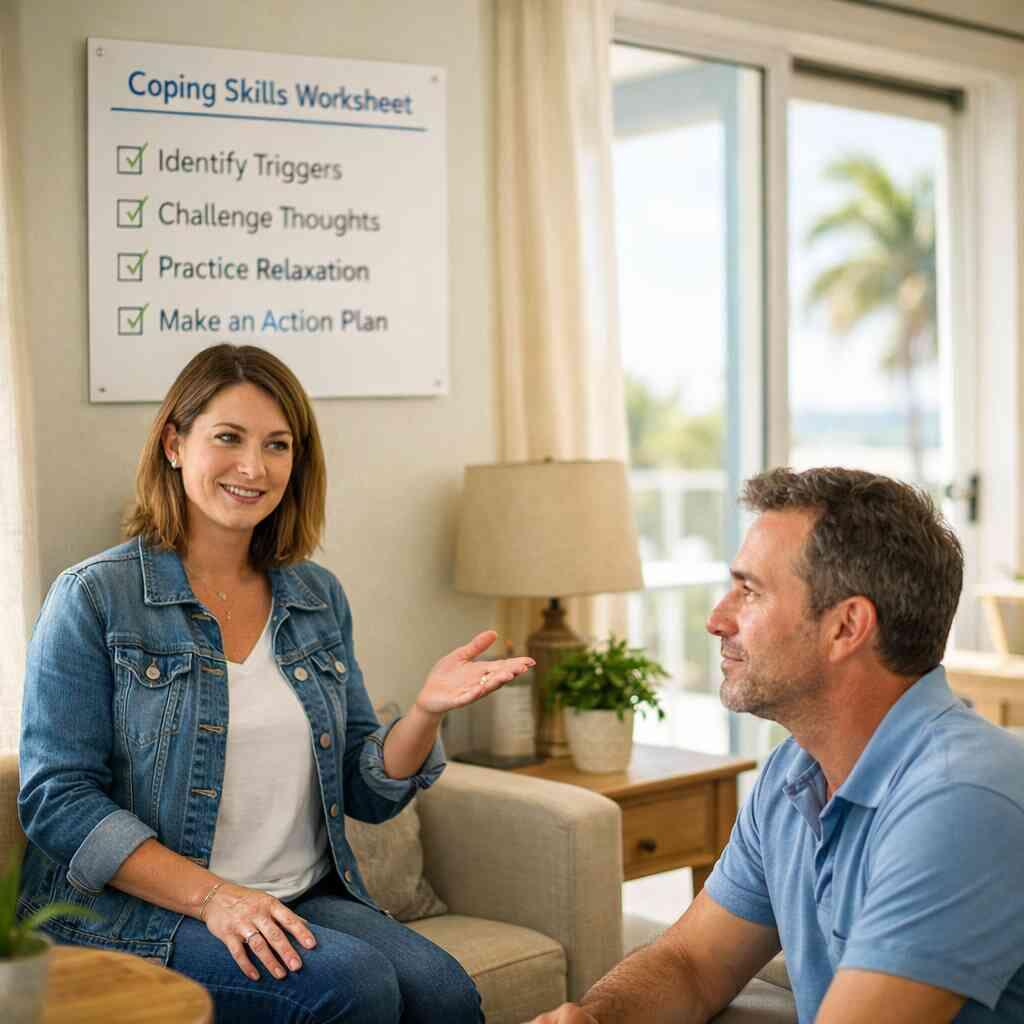
That is where 12-step alternatives can matter. SMART Recovery is one of the best-known options because it uses practical tools instead of spiritual language. It centers self-management, coping skills, and personal choice. For many people, that feels more workable than a room where they must speak a certain way to belong.
“I feel like RECO treatment is one of the best in Florida. I have been to several treatment centers and RECO is definitely better in almost every area. I can honesty say all the employees genuinely care. They go out of their way to help us navigate through early recovery The group facilitators are the best I’ve seen in treatment. Ms Engrid, Ms V and Rabbi Mark are unbelievable. Rabbi really breaks down the science behind the disease while Ms Engrid keeps it real with us and is always reminding us that we can make it. She really brings a lot of good energy around the NA program. Ms V comes in and she a wonderful therapist who really understands things from the family side. She really helps me understand what our families are going through. Hands down, RECO has the best group facilitators I’ve ever seen . I know of some peers that feel the same way
Brock really does a great job with the alumni department. As I am writing this, I am at a talent show put on by RECO. There are around 75 people here all having a great time sober. The entire event was put on well. Clients/ alumni made dishes and everyone is enjoying dinner while watching some amazing talent. I’m including pics from tonight. While going through some of my own struggles, I could really feel RECO’s support throughout the community. Brock was in contact with me on a daily basis just letting me know RECO was there for me. The support was overwhelming.
Led by Carly, The behavioral techs are fantastic. We spend a lot of time with the techs as they are always hanging with us at our houses outside of groups. They genuinely love their jobs and you can see it. The techs are fantastic in letting us know they are here for us and they show support in any way they can even if it’s just to listen to us vent about something we are struggling with. Brandon, Becky, Carlos and Brian especially go out of their way to help things go smoothly.
On the therapy side, they are also great. The clinical director, David, has been doing this a long time and he gets exactly what we are going through. You can see how passionate he is about his work when he runs group. There is a healthy balance with the entire team and I can see how much time they spend discussing clients. They know everything about us and I feel like that really helps us build a healthy relationship with our therapist. The medical staff is also great. Led by Kathaleen, the entire staff is always on point. Viviana, Kathaleen’s right hand lady, works her tail off making sure everything runs smoothly on the medical side.”- Buck F., a 5 star review from our business on Google Business Reviews
One client we met in the Delray area described it simply: “I could handle the craving. I could not handle the shame talk.” That is not unusual. People in Florida addiction treatment often arrive carrying trauma, anxiety, or exhaustion from failed attempts. A support model should meet that reality, not deepen it.
If you are comparing SMART Recovery in Delray Beach, start with your comfort level. Ask yourself:
- Do I learn better with worksheets or open sharing?
- Do I need less pressure around labels?
- Do I want skills I can practice between meetings?
- Do I need support that respects privacy?
What SMART Recovery looks like in a South Florida recovery community
SMART Recovery stands for Self-Management and Recovery Training. It uses a four-point framework: build motivation, cope with urges, manage thoughts and feelings, and live a balanced life. That sounds simple, but the structure helps. It gives people something concrete to do when cravings spike or emotions surge.
In a Delray Beach recovery community, that practical tone often works well for people who value autonomy. Some attend after South Florida detox. Others come after a residential treatment facility stay, or while living in sober housing. SMART meetings often feel less formal than traditional rooms, yet they still create accountability and routine.
The hardest part for many people is not the meeting itself. It is the quiet moment before walking in. You might worry about being seen, being asked to share, or being pushed into a label you do not want. That hesitation is normal. It usually means the decision matters to you.
Here is the part most people miss: recovery support does not have to match your worst day to be useful. It only has to help you stay honest, steady, and engaged. If you are in opioid rehab Delray, alcoholism treatment center care, or a drug rehab near me search spiral, that practical support can be a relief.
How to tell whether a meeting style matches your needs for privacy, structure, and flexibility
The best meeting style is not the one that sounds best in theory. It is the one you will actually use. Privacy matters. Structure matters. Flexibility matters. If a model feels too public, too vague, or too rigid, you may stop going before it can help.
A simple way to compare options is to look at how each one handles your needs:
NeedSMART RecoveryTraditional 12-step groupsPrivacyOften more conversational and less identity-focusedOften includes personal disclosure and sponsorship languageStructureUses practical tools and goal settingUses step-based spiritual or peer supportFlexibilityGood for people who like choiceGood for people who want a clear pathwayToneSkills-based and self-directedCommunity-based and fellowship-drivenIf you are balancing work, family, and recovery, flexibility may matter most. If you need a strong sense of belonging, a 12-step room may feel safer. The answer is not always either-or. Many people use both, then keep what helps.
In Palm Beach County treatment centers, especially near Atlantic Avenue and the coast, people often ask the same question: “Will this help me stay sober when real life gets loud?” That is the right question. Meetings should fit the life you are returning to, not the life you wish you had.
The quiet math behind choosing between SMART Recovery and other 12 step alternatives
Where cognitive behavioral therapy fits inside evidence based recovery support
Evidence-based recovery support works best when the ideas in therapy and the skills in meetings match. That is one reason SMART Recovery often pairs naturally with cognitive behavioral therapy and dialectical behavior therapy. CBT helps you notice the thoughts that trigger use. DBT helps you tolerate distress without acting on it. Both fit well with a self-management model.
This matters because addiction rarely lives in isolation. It sits next to stress, grief, anger, loneliness, and habit loops. A meeting alone may help you feel connected. Therapy helps you change patterns. Together, they can support long-term change more reliably than either one by itself.
A recent trend in recovery care is the use of short, repeatable tools. Thought records. Urge logs. Coping cards. These are not glamorous. They work because they are repeatable. In practice, that can be more useful than inspiration, especially after cocaine detox Florida, heroin recovery, or prescription pill addiction treatment.
If you want to read more about the clinical side, cognitive behavioral therapy for recovery in Delray Beach is one place to start. The goal is not to replace meetings. It is to give your mind better tools for the next craving, hard conversation, or bad day.
How dual diagnosis treatment changes the choice when depression and addiction overlap
If you live with depression, panic, PTSD, or bipolar symptoms, your recovery needs may be more layered. That is where dual diagnosis treatment matters. The co-occurring disorder model, used widely in addiction medicine, says mental health and substance use should be treated together. NIDA and SAMHSA both support that approach because untreated symptoms can drive relapse.
This is the part many people get wrong. They assume the meeting choice is only about recovery philosophy. It is also about symptom load. If you are fighting cravings and insomnia, plus depression and addiction, you may need more clinical structure than a meeting alone can provide. That can include mental health IOP, medication review, trauma work, and relapse planning.
One woman in South Florida told a clinician she kept skipping meetings because she felt “too flat to talk.” That flatness was not laziness. It was depression. Once her care plan addressed the depression directly, she could actually use the support she had been offered. That is what proper dual diagnosis care can do.
For people comparing dual diagnosis treatment in Delray Beach, the question is simple: does this plan treat your whole picture? If not, it may not hold. That is especially important with anxiety treatment, bipolar disorder therapy, PTSD treatment, or trauma histories tied to use.
Why family therapy, group therapy activities, and mindfulness meditation matter after treatment ends
Recovery does not live only in meetings. It lives in your kitchen, your car, your phone, and your family group chat. That is why family therapy and group therapy activities matter after formal treatment ends. They help rebuild trust, reduce misunderstandings, and teach everyone how to respond without panic.
The idea is not to control the person in recovery. It is to help the whole system calm down. Families often carry fear long after the substance use stops. That fear can lead to overchecking, rescuing, or silence. Therapy gives everyone a cleaner script. If family support is part of your plan, family therapy for recovery in Palm Beach County can help explain what that looks like.
Mindfulness also fits here. Not in a trendy sense. In a basic human sense. A few minutes of breath work, grounding, or quiet attention can reduce reactivity. That matters when cravings, shame, or conflict hit fast. In group settings, mindfulness and coping skills in group therapy often become the tools people use between meetings.
What to expect when medication assisted treatment and recovery meetings are used together
Some people worry that medication-assisted treatment means they are “doing recovery wrong.” That fear is common, and it is also outdated. FDA-approved medications such as Suboxone maintenance and Vivitrol injections can reduce cravings and help stabilize people with opioid or alcohol use disorders. SAMHSA guidance supports combining medication with counseling and peer support when appropriate.
This combination can be especially important for fentanyl treatment, opioid rehab Delray, and benzodiazepine withdrawal support planning. Meetings like SMART Recovery can complement medication, not compete with it. The medication can lower the fire. The meeting can teach you how not to walk back into the smoke.
If you want a deeper look at the clinical role of medication, medication-assisted treatment for opioid recovery explains the basics clearly. The key point is simple. A treatment plan should fit your diagnosis, not your ideology. That is how people keep showing up after the first hard week.
What a next step looks like when you want support that lasts beyond the meeting
How to compare outpatient program Delray Beach options with PHP and intensive outpatient levels of care
Meeting choice is only one piece. The larger question is level of care. An outpatient program Delray Beach option may work if you are stable, safe, and ready for lighter structure. A partial hospitalization program gives you more hours and more support. An intensive outpatient model sits in the middle and often suits people who need routine without full-day treatment.
Here is a simple comparison:
Level of careBest forTypical structureOutpatientStable clients who need weekly supportFewer weekly hoursIntensive outpatientPeople who need frequent therapy and accountabilitySeveral sessions per weekPartial hospitalizationPeople needing a higher level of daily supportMore intensive daytime treatmentThe right level depends on more than your preference. It depends on safety, cravings, sleep, home stress, and psychiatric symptoms. If you are looking at partial hospitalization program and intensive outpatient care in Delray Beach, ask how the schedule fits your real life. Recovery should be demanding enough to help, but not so rigid that you cannot stay engaged.
What insurance verification, private rehab, and out of network benefits can change before you commit
Money questions can shut people down fast. That is understandable. Still, it helps to get clear early. Insurance verification for rehab can show what is covered, what needs authorization, and whether you have out-of-network benefits. If you are comparing private rehab options in South Florida, the fine print matters.
This is one area where people often lose time. They assume “drug rehab near me” means a simple answer. It usually does not. Plan networks differ. Deductibles differ. Co-pays differ. The fastest way to reduce stress is to verify before you make promises to yourself or your family.
If you want to review coverage with a team, insurance verification for Florida rehab is worth reading before you call. Mention plans like Aetna, Cigna, and Blue Cross Blue Shield if that applies to you. If you need self-pay options, ask about that directly too. No one should guess about something this important.
How RECO Intensive location and the Delray Beach recovery community can support long term recovery
Delray Beach has a recovery culture that is both visible and practical. You see it in coffee shops, wellness studios, beach walks, and groups leaving meetings near Atlantic Avenue. That local texture matters. A supportive environment can lower isolation and make healthy routines feel more possible. For some people, the coastal healing environment helps them stay present. The RECO Intensive location in Delray Beach sits inside that larger recovery ecosystem. For someone moving from detox into structure, or from structure into maintenance, location matters more than many guides admit. Proximity to care makes consistency easier. Consistency is the quiet engine of long-term recovery. What we see most often is this: people do better when their care is connected. Therapy, meetings, case management, housing, and medical support should talk to each other. That is how a Delray Beach recovery community becomes more than a slogan. It becomes a network that catches you before a slip turns into a spiral. 
When sober living resources, aftercare planning, alumni program support, and relapse prevention make the difference
The real test of recovery support comes after the meeting ends. That is where aftercare planning matters. It should include coping plans, contact lists, step-down care, and housing when needed. Sober living resources can bridge the gap between treatment and full independence, especially if home stress is high.
RECO’s style of continuing support aligns with what strong recovery systems already know: people benefit from follow-up, structure, and repetition. Alumni program support can keep you connected when motivation dips. Relapse prevention strategies work best when they are specific. Think sleep, medication adherence, trigger planning, and a real response plan for cravings.
If you want a practical next step, review aftercare planning for long-term recovery and then look at sober living resources near Delray Beach. Then make one call. Ask about level of care, meeting fit, and whether your plan supports your diagnosis, not just your symptoms. You do not have to solve all of this today, but you can start with one honest conversation.
Frequently Asked Questions
Question: How can SMART Recovery in Delray Beach help someone who wants 12-step alternatives and still needs evidence-based recovery support?
Answer: SMART Recovery can be a strong option for people who want structure, practical coping tools, and accountability without a spiritual or step-based format. In the context of Exploring SMART Recovery and 12 Step Alternatives in Delray, it may appeal to people who prefer worksheets, goal setting, and self-management strategies over traditional meeting language. At RECO Health, that approach can fit well alongside evidence-based treatment, cognitive behavioral therapy, dialectical behavior therapy, and mindfulness meditation. For many people in the Delray Beach recovery community, the best plan is not one single model, but a combination of support that matches their needs, comfort level, and level of care. If you are comparing Florida addiction treatment options, RECO Health can help you think through whether SMART Recovery, a 12-step group, or a mix of both makes sense for your recovery path.
Question: What level of care should I consider if I am looking for an outpatient program Delray Beach, an intensive outpatient program, or a partial hospitalization program?
Answer: The right level of care depends on your symptoms, safety, and how much support you need day to day. A more stable person may do well in an outpatient program Delray Beach model, while someone needing more structure might benefit from an intensive outpatient program or a partial hospitalization program. If there are co-occurring disorders, depression and addiction, anxiety treatment needs, or bipolar disorder therapy concerns, a higher level of support may be more appropriate. RECO Health offers a continuum of care that can include residential treatment facility support, step-down care, and aftercare planning, which can be especially helpful when you are transitioning from South Florida detox or inpatient rehab Palm Beach County level services. Rather than guessing, it is best to use a careful intake process so the plan fits your real-life needs, not just a search like drug rehab near me.
Question: How does dual diagnosis treatment help when depression and addiction, PTSD treatment, or anxiety treatment are all happening at the same time?
Answer: Dual diagnosis treatment is important when substance use and mental health concerns overlap, because untreated symptoms can make recovery harder to maintain. If someone is dealing with depression and addiction, PTSD treatment needs, anxiety treatment, or trauma-related symptoms, a program should address the whole picture rather than focusing on substance use alone. At RECO Health, the goal is to create a plan that can include trauma therapy South Florida, EMDR trauma therapy, medication support when appropriate, and groups that build coping skills for recovery. This kind of integrated care can be especially meaningful for people in opioid rehab Delray, fentanyl treatment, heroin recovery, or prescription pill addiction treatment, where emotional triggers and withdrawal concerns often interact. A thoughtful approach can improve engagement, reduce confusion, and support long-term recovery support through a more personalized path.
Question: Does RECO Health offer medication-assisted treatment and support for opioid rehab Delray, fentanyl treatment, heroin recovery, or benzodiazepine withdrawal support?
Answer: RECO Health offers a clinically informed approach that may include medication-assisted treatment when it is appropriate for the person and the diagnosis. For some individuals recovering from opioid rehab Delray, fentanyl treatment, or heroin recovery, medications such as Suboxone maintenance or Vivitrol injections may be part of a broader treatment plan, along with counseling and peer support. For others, especially those dealing with benzodiazepine withdrawal support, the focus may be on careful medical monitoring and a plan designed by licensed clinicians. The key is not to force one ideology, but to use evidence-based recovery support that is aligned with the person’s needs. If you are researching Florida rehabs that take insurance, RECO Health can also help with insurance verification for rehab, including questions about Aetna, Cigna, Blue Cross Blue Shield, out-of-network benefits, and self-pay options.
Question: What makes RECO Health a good fit for someone comparing private rehab options, sober living resources, and aftercare planning in South Florida?
Answer: RECO Health is designed as a full continuum of care, which can be helpful for people who need support beyond a single meeting or short stay. For someone comparing private rehab options, sober living resources, and aftercare planning, that continuity can matter a great deal. The RECO model includes treatment pathways that can support mental health IOP, dual diagnosis, alumni program connection, case management, life skills training, vocational support, and family therapy when appropriate. For people looking for a supportive Delray Beach recovery community and a coastal healing environment, RECO’s RECO Intensive location at 140 NE 4th Avenue Delray Beach FL 33483 is part of a broader network that serves Palm Beach County treatment centers, Broward County rehab, Miami addiction help, Fort Lauderdale detox, West Palm Beach mental health, and Boca Raton outpatient needs. If you are trying to choose a rehab, it can help to ask whether the program supports the transition from stabilization to long-term recovery with practical tools, family involvement, and ongoing connection.
Question: What should I look for when deciding how to choose a rehab after reading Exploring SMART Recovery and 12 Step Alternatives in Delray?
Answer: A good rehab choice should match your substance use history, mental health needs, privacy concerns, and recovery style. Start by asking about signs of addiction, level of care, and whether the program can support co-occurring disorders if needed. Then look at whether the center offers South Florida detox, residential treatment facility care, partial hospitalization program, intensive outpatient, and outpatient program Delray Beach options so you can step down safely over time. It also helps to ask about group therapy activities, family weekend support, holistic recovery, yoga therapy, art therapy, and meditation options if those are important to you. If you value a program that understands both Florida addiction treatment and mental health care, ask whether they provide dual diagnosis treatment, aftercare support, and help connecting to sober living resources. Most importantly, choose a team that communicates clearly, uses compassionate care, and helps you build a recovery plan that feels realistic enough to keep using after treatment ends.